As African nations navigate the complex landscape of sustainable development, emerging strategies in clean energy policy are reshaping economic opportunities and technological innovation across the continent.
The Shifting Energy Paradigm
In the heart of Nairobi's bustling technology district, energy policy experts are reimagining Africa's power infrastructure. The continent stands at a critical juncture, balancing environmental sustainability with economic pragmatism.
Strategic Policy Considerations
- Decentralized renewable infrastructure
- Public-private partnership models
- Technology transfer mechanisms
- Localized manufacturing capabilities
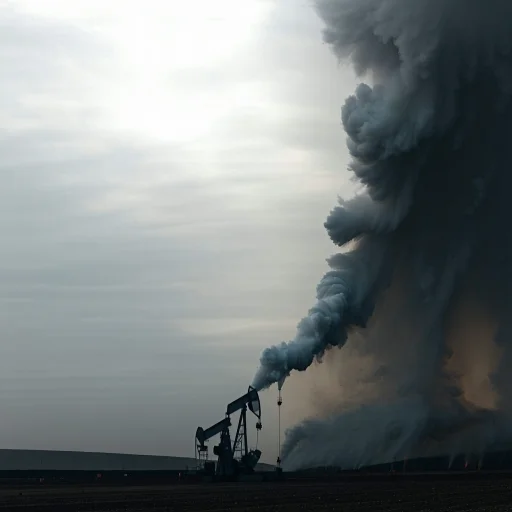
 Emerging renewable energy landscapes across African regions
Economic Implications and Investment Potential
The clean energy transition represents more than an environmental imperative — it's a substantial economic opportunity. By 2030, projections suggest African renewable sectors could attract over $50 billion in international investments.
Sector Projected Investment (USD) Growth Potential Solar Infrastructure $22 Billion High Wind Energy $15 Billion Medium-High Hybrid Systems $13 Billion EmergingTechnological Innovation Pathways
African innovators are not merely adopting global technologies — they're developing localized solutions that address unique regional challenges. From micro-grid technologies to community-driven energy cooperatives, the continent is pioneering adaptive strategies.
Challenges and Opportunities
Despite promising developments, significant obstacles remain. Limited infrastructure, capital constraints, and complex regulatory environments continue to challenge comprehensive clean energy implementation.
However, emerging technologies and progressive policy frameworks are gradually dismantling these barriers. The next decade will be transformative for African energy ecosystems.
Key Recommendations
- Develop robust policy frameworks
- Incentivize local technological innovation
- Create international collaboration mechanisms
- Invest in skills development
Looking Forward
As global energy dynamics evolve, Africa's clean energy journey represents a compelling narrative of innovation, resilience, and strategic transformation.
Further insights from Disrupt Africa's comprehensive research underscore the continent's potential to leapfrog traditional development models.