# Web 3.0 Explained: The Decentralized Internet Revolution
The internet is about to undergo its most radical transformation yet. Web 3.0 promises to reshape how we interact online, giving power back to users and breaking free from big tech's control.
## What Exactly is Web 3.0?
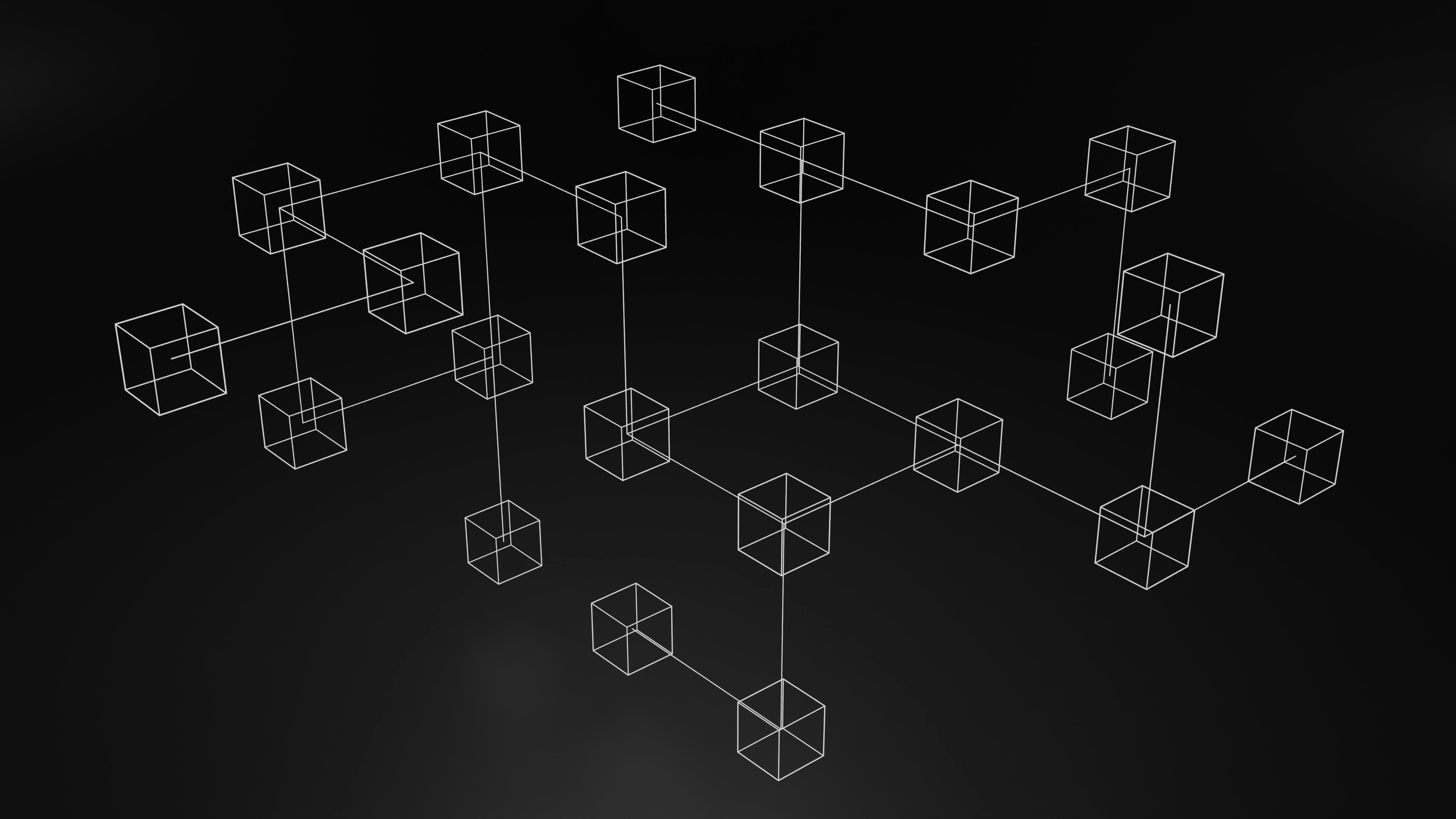
Web 3.0 represents the next generation of the internet - a decentralized digital ecosystem where users, not corporations, own their data and digital assets. Unlike today's internet, controlled by tech giants like Google and Facebook, Web 3.0 operates on blockchain technology.
### Key Features of Web 3.0
- Decentralized networks
- User-owned data
- Transparent transactions
- Enhanced privacy
- Reduced intermediaries
## How Web 3.0 Works
Blockchain technology is the backbone of Web 3.0. Instead of centralized servers, information is stored across multiple computers worldwide. This means no single entity can control or manipulate data.
"Web 3.0 is not just a technological shift, but a fundamental reimagining of internet economics," says Tomi Ayorinde, African blockchain expert.
## Real-World Applications
1. Decentralized Finance (DeFi)
2. Non-Fungible Tokens (NFTs)
3. Decentralized Autonomous Organizations (DAOs)
### The African Web 3.0 Opportunity
African tech entrepreneurs are already pioneering Web 3.0 solutions. Countries like Nigeria and Kenya are seeing rapid blockchain and cryptocurrency adoption.
## Challenges and Considerations
While promising, Web 3.0 isn't without challenges:
- Complex user experience
- Regulatory uncertainties
- High energy consumption
## The Future is Decentralized
Web 3.0 represents more than a technological upgrade - it's a movement towards digital sovereignty and user empowerment.
### Quick Web 3.0 Comparison
Web 1.0
Read-Only
Web 2.0
Read-Write
Web 3.0
Read-Write-Own
Learn more at [TechCabal](https://techcabal.com) and [Techpoint Africa](https://techpoint.africa).