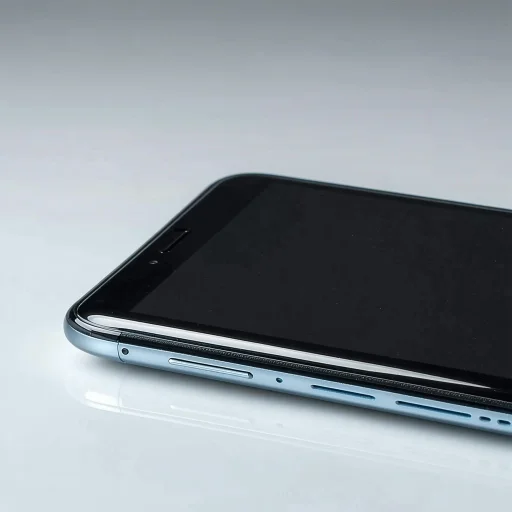
The durability of consumer electronics has become a critical concern for Canadian consumers, manufacturers, and environmental advocates. As technology continues to evolve rapidly, understanding the lifecycle of electronic devices provides crucial insights into sustainability, consumer spending, and environmental impact.
Recent research and industry data reveal a complex landscape of electronic device longevity that goes far beyond simple product lifespans. From smartphones to laptops, Canadian consumers are navigating an increasingly intricate world of technological consumption and disposal.
Factors Influencing Electronic Device Longevity
Multiple factors contribute to the lifespan of consumer electronics in Canada. Technological advancement, manufacturing quality, user behavior, and environmental conditions play significant roles in determining how long devices remain functional and relevant.
Manufacturing Quality and Design
Canadian consumers increasingly demand higher-quality electronic devices that can withstand daily use. Manufacturers are responding by developing more robust products with enhanced durability. Premium brands like Apple, Samsung, and Dell have been investing in more resilient design strategies that extend device lifespans.
Usage Patterns and Maintenance
Individual usage patterns dramatically impact electronic device longevity. Proper maintenance, careful handling, and regular software updates can significantly extend a device's functional life. Canadian consumers who invest time in device care tend to see longer-lasting electronics compared to those with more casual approaches.
Average Lifespan by Device Category
Device Type Average Lifespan Smartphones 2-3 years Laptops 3-5 years Desktop Computers 4-6 years Tablets 3-4 yearsEnvironmental and Economic Implications
The short lifespan of consumer electronics presents significant environmental challenges. Electronic waste, or e-waste, is a growing concern in Canada. The rapid turnover of devices contributes to increased environmental burden, with millions of electronic items ending up in landfills annually.
"Sustainable electronics consumption requires a holistic approach that balances technological innovation with responsible disposal and recycling strategies." - Dr. Elena Rodriguez, Environmental Technology ResearcherConsumer Strategies for Extending Device Life
Canadian consumers can adopt several strategies to maximize their electronic devices' lifespans. Regular software updates, protective cases, careful charging practices, and professional maintenance can significantly extend a device's functional period.
Repair and Upgrade Options
Many Canadian manufacturers and third-party services now offer repair and upgrade options that can breathe new life into aging electronics. This approach not only saves consumers money but also reduces electronic waste and supports more sustainable consumption patterns.
Future Trends in Electronic Device Longevity
The future of consumer electronics in Canada looks promising, with increasing emphasis on modular design, repairability, and sustainable manufacturing. Emerging technologies and circular economy principles are driving innovations that could dramatically extend device lifespans.
Companies like Techpoint Africa and TechCabal continue to monitor global trends that influence electronic device sustainability and consumer behavior.
As technology evolves, Canadian consumers can expect more durable, repairable, and environmentally friendly electronic devices in the coming years. The intersection of technological innovation and sustainability will play a crucial role in shaping the future of consumer electronics.