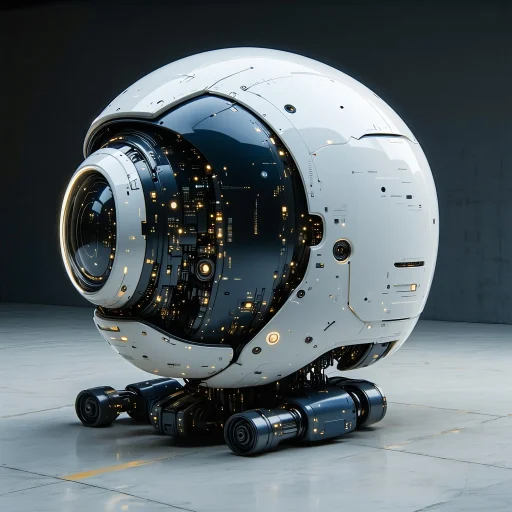
The Nigerian Air Force (NAF) is taking a significant step towards technological modernization by seeking support from the Tertiary Education Trust Fund (TETFund) to establish a cutting-edge Artificial Intelligence (AI) and Robotics Laboratory. This strategic initiative underscores Nigeria's growing commitment to integrating advanced technological capabilities into its defense infrastructure.
Strategic Technology Development in Defense
The proposed laboratory represents a critical investment in Nigeria's technological future, signaling the Nigerian Air Force's recognition of AI and robotics as transformative technologies with profound implications for national security and military capabilities. By pursuing this initiative, NAF aims to position itself at the forefront of technological innovation in African military systems.
Technological Modernization and National Capacity Building
TETFund's potential support for this project highlights the increasing collaboration between educational institutions, research centers, and defense organizations in Nigeria. Such partnerships are crucial for developing indigenous technological capabilities that can reduce dependency on foreign military technologies and foster local innovation ecosystems.
AI and Robotics: Emerging Defense Technologies
Modern military systems increasingly rely on AI and robotics for various critical functions, including reconnaissance, strategic planning, autonomous vehicle operations, and advanced data analysis. The proposed NAF laboratory could potentially develop capabilities in drone technology, predictive maintenance, cybersecurity, and intelligent surveillance systems.
Potential Research and Development Areas
The laboratory could focus on several key research domains, such as machine learning algorithms for threat detection, autonomous navigation systems for military vehicles, and advanced simulation technologies for training purposes. These areas represent significant opportunities for technological advancement in Nigeria's defense sector.
African Context of Military Technology Innovation
Nigeria's initiative aligns with broader continental trends of technological modernization in defense sectors. Countries like South Africa and Egypt have also been investing in advanced technological capabilities, recognizing that technological superiority is increasingly crucial in contemporary military strategy.
"Investing in AI and robotics is not just about technological advancement, but about building strategic national capabilities that can protect and enhance our sovereignty," says Dr. Chidi Okonkwo, a defense technology analyst based in Lagos.Economic and Educational Implications
Beyond defense applications, this initiative could have significant spillover effects in Nigeria's technology education and innovation landscape. By creating advanced research infrastructure, the NAF could attract top technical talent, encourage academic-military collaborations, and potentially stimulate broader technological innovation in the country.
Challenges and Considerations
While ambitious, the project will require addressing several challenges, including securing adequate funding, developing specialized human capital, and creating robust ethical frameworks for AI and robotics deployment. Collaboration with academic institutions and international technology partners will be crucial for success.
Future Outlook
The proposed AI and Robotics Laboratory represents more than just a military project—it symbolizes Nigeria's aspirations to become a technological leader in Africa. By investing in cutting-edge research and development, the Nigerian Air Force is laying the groundwork for a more technologically sophisticated and strategically prepared national defense infrastructure.
As the project develops, stakeholders will be watching closely to see how this initiative might transform Nigeria's technological capabilities and potentially serve as a model for other African nations seeking to modernize their defense technologies.