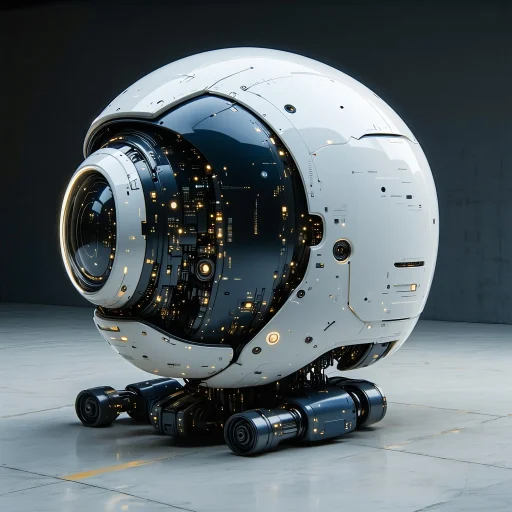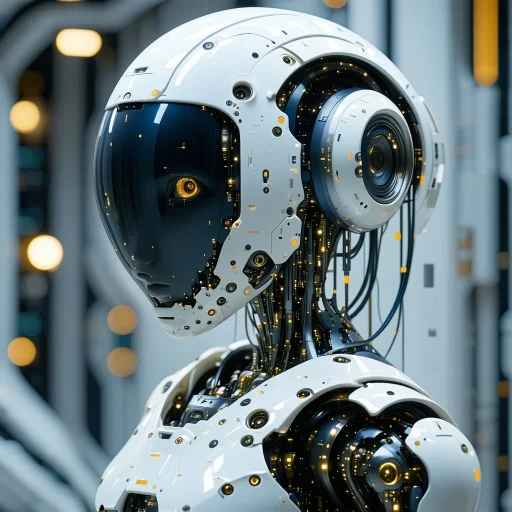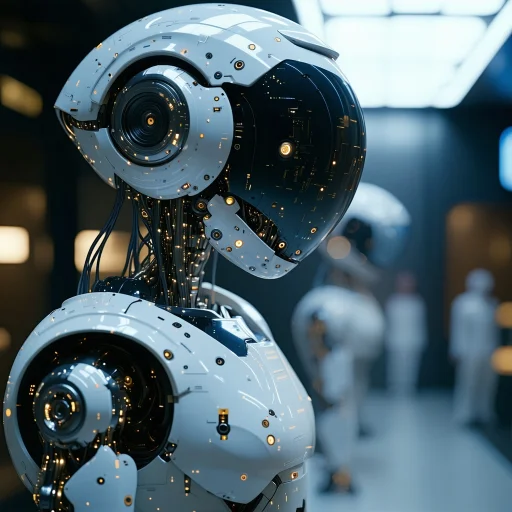
The recent Beijing Artificial Intelligence and Robotics Exposition has emerged as a pivotal platform highlighting groundbreaking advancements in healthcare-focused robotic technologies, signaling China's aggressive push into intelligent medical solutions.
As global healthcare systems increasingly seek technological interventions, the expo demonstrated China's strategic commitment to developing smart robotic systems that could revolutionize medical care, diagnostics, and patient support.
Emerging Trends in Healthcare Robotics
The exposition showcased a range of sophisticated robotic technologies specifically designed to address critical challenges in healthcare delivery. These innovations represent a significant leap forward in integrating artificial intelligence with medical practice, potentially transforming patient care paradigms.
Key Technological Developments
Researchers and technology companies presented robots capable of performing complex medical tasks, including surgical assistance, patient monitoring, and diagnostic support. The demonstrations highlighted the potential for reducing human error, increasing precision, and enhancing overall healthcare efficiency.
China's Strategic Healthcare Technology Vision
The Beijing expo underscores China's national strategy to become a global leader in artificial intelligence and robotics. By focusing on healthcare applications, the country is positioning itself at the forefront of technological innovation that directly impacts human well-being.
These robotic technologies represent more than just technological achievements; they symbolize a profound transformation in how we conceptualize medical care and patient interaction. - Dr. Li Wei, AI Healthcare ResearcherImplications for Global Healthcare
The developments showcased at the Beijing expo have significant implications beyond China's borders. As healthcare systems worldwide grapple with challenges like aging populations, staff shortages, and increasing medical complexity, smart robotic solutions offer promising alternatives.
African Healthcare Potential
For African healthcare systems facing critical infrastructure and personnel challenges, such technological innovations could provide transformative solutions. Countries like Rwanda and Kenya have already demonstrated openness to adopting advanced medical technologies, suggesting potential future implementations of similar robotic systems.
Technological Capabilities Demonstrated
Robotic Type Primary Function Key Innovation Surgical Assistant Robot Precision Surgical Support Micro-movement Control Patient Monitoring Robot Continuous Health Tracking AI-Driven Diagnostic Insights Rehabilitation Robot Physical Therapy Assistance Personalized Movement GuidanceChallenges and Ethical Considerations
Despite the promising demonstrations, experts also emphasized the need for robust ethical frameworks and regulatory guidelines. The integration of AI and robotics in healthcare raises critical questions about patient privacy, technological reliability, and the evolving role of human medical professionals.
As the Beijing AI and Robotics Exposition demonstrated, we are witnessing the early stages of a technological revolution that could fundamentally reshape medical care. The convergence of artificial intelligence, robotics, and healthcare promises unprecedented opportunities for improving human health and medical service delivery.