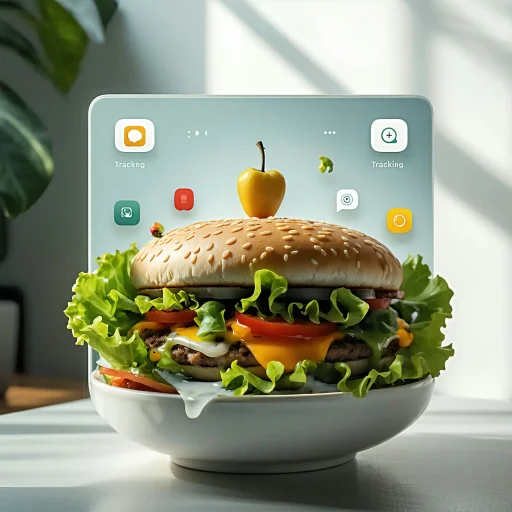
In an era of digital health innovation, food-tracking applications are emerging as powerful tools that offer far more than simple calorie counting. A recent exploration reveals these apps are providing users with unexpected insights into their nutritional habits, personal health, and dietary patterns.
The Digital Nutrition Revolution
Modern food-tracking applications have evolved from basic logging platforms to sophisticated nutritional analysis tools. By leveraging advanced data visualization and machine learning technologies, these apps are transforming how individuals understand and interact with their dietary choices.
More Than Just Numbers
While initial perceptions might suggest these apps are primarily about weight management, users are discovering a much richer landscape of personal health information. The technology goes beyond mere calorie tracking, offering comprehensive nutritional breakdowns, macro and micronutrient insights, and personalized dietary recommendations.
Food tracking isn't just about restriction—it's about understanding your body's unique nutritional needs and making informed choices.Technology Meets Nutrition
Companies like nutrition tech startups are integrating artificial intelligence and machine learning to create more intuitive and intelligent tracking experiences. These platforms can now recognize food items through image recognition, automatically log meals, and provide real-time nutritional feedback.
User Experience and Data Insights
The most advanced food-tracking apps are designed with user engagement in mind. They transform complex nutritional data into digestible, actionable insights. By presenting information through interactive graphs, personalized reports, and trend analysis, these apps make nutrition science accessible to the average user.
Key App Features User Benefits Image Recognition Instant Meal Logging Nutritional Analysis Comprehensive Health Insights Personalized Recommendations Tailored Dietary GuidancePrivacy and Data Considerations
As with any health-related technology, data privacy remains a critical concern. Users must be aware of how their nutritional and health data is collected, stored, and potentially shared by these applications.
The Broader Health Ecosystem
Food-tracking apps are increasingly integrating with broader health platforms, including fitness trackers, medical records, and wellness programs. This interconnected approach provides users with a more holistic view of their health and nutrition.
Looking Forward
The future of nutrition technology looks promising. As artificial intelligence continues to advance, we can expect even more sophisticated, personalized, and intuitive food-tracking experiences that go far beyond simple calorie counting.