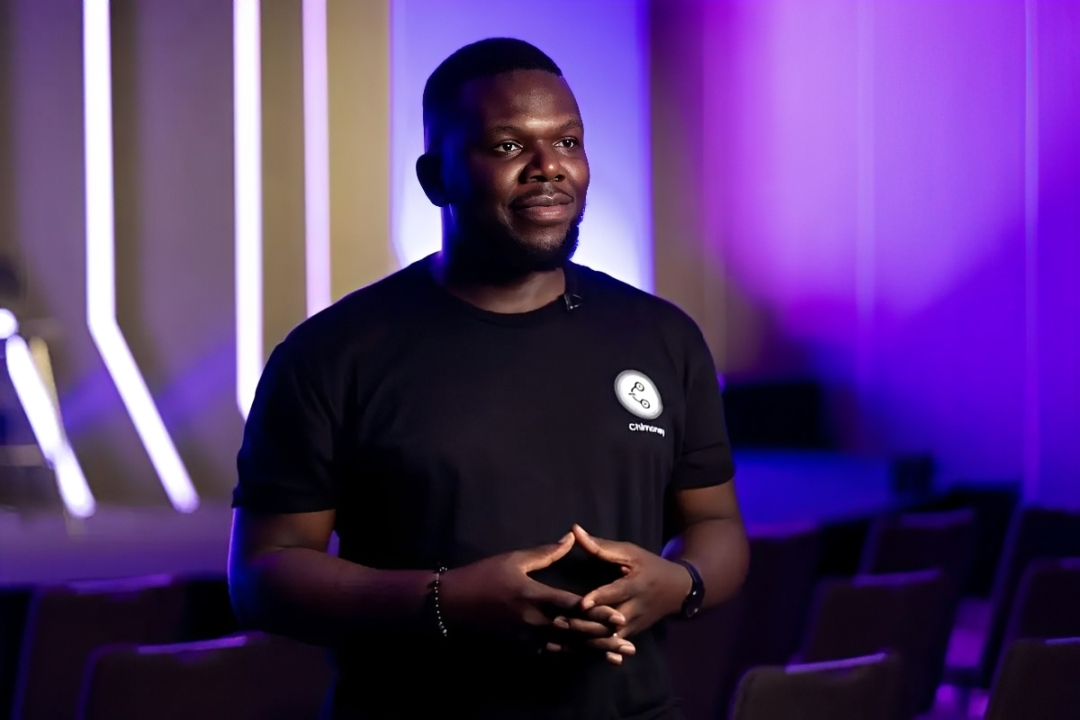
The shutdown of Nigerian-founded fintech startup Chimoney is more than another startup failure story. It is a clear signal about the harsh realities facing African fintech companies trying to scale globally with limited capital.
According to a report by TechCabal
, Chimoney has officially ceased operations after struggling to raise enough funding to sustain and expand its cross-border payment infrastructure business.
The company informed customers in May 2026 that all new transactions and integrations had stopped while customer balances would be refunded.
What Was Chimoney?
Founded in 2022 by Uchi Uchibeke, Chimoney built APIs that enabled businesses to send payments across multiple countries and currencies using a single integration.
The platform supported:
- Bank transfers
- Mobile money
- Airtime payouts
- Gift cards
- Stablecoin payment rails
The startup operated across Africa, North America, and Latin America, offering support for 41 currencies.
Its mission aligned with one of Africa’s largest financial challenges: simplifying fragmented cross-border payments.
Chimoney also joined the Techstars Toronto accelerator program in 2023, a milestone that positioned it as a promising African fintech startup with global ambitions.
Why Did Chimoney Shut Down?
The core reason was straightforward: insufficient capital.
While the startup reportedly raised between $280,000 and nearly $1 million, founder Uchi Uchibeke later admitted the funding was not enough for the scale of the company’s ambitions.
But funding alone was not the only issue.
In a post-mortem shared after the shutdown, Uchibeke reportedly explained that the company focused heavily on building infrastructure but struggled with distribution and customer acquisition.
That challenge is common across African fintech:
- Strong products
- Complex infrastructure
- Weak distribution engines
- High regulatory costs
- Slow enterprise sales cycles
Many startups underestimate how expensive it is to maintain payment infrastructure across multiple jurisdictions.
Licensing, compliance, audits, fraud monitoring, and settlement systems require significant operational capital long before profitability becomes possible.
The Hidden Problem in African Fintech
African fintech has become heavily associated with funding announcements and expansion headlines. However, beneath the growth narrative lies a difficult reality: infrastructure businesses are extremely expensive to operate.
Unlike consumer apps, payment infrastructure companies must maintain:
- Regulatory compliance
- Banking partnerships
- Security systems
- Treasury operations
- Multi-country legal frameworks
- Liquidity management
This creates high burn rates even when transaction volumes remain low.
Chimoney’s shutdown highlights the growing gap between:
- Building innovative fintech products
- Building sustainable fintech businesses
Distribution Matters More Than Product Quality
One of the biggest lessons from Chimoney’s shutdown is that technical excellence alone is no longer enough.
According to post-shutdown commentary, the product itself reportedly worked well. The bigger issue was getting enough businesses to adopt it at scale.
This reflects a broader startup truth:
Great products do not automatically create great businesses.
For infrastructure startups especially, distribution is often more important than engineering sophistication.
The African startup ecosystem has historically celebrated builders and technical founders, but go-to-market execution increasingly determines survival.
What Happens to Businesses That Relied on Chimoney?
Businesses that integrated Chimoney’s APIs must now migrate to alternative payment providers.
This exposes another critical risk in startup infrastructure:
When infrastructure providers fail, dependent businesses face operational disruption.
Companies using startup APIs should always evaluate:
- Financial sustainability
- Regulatory strength
- Funding runway
- Redundancy systems
- Exit contingency plans
Vendor dependency risk is becoming a major concern in Africa’s fast-growing fintech ecosystem.
What African Founders Can Learn
Chimoney’s story offers several important lessons for founders:
1. Fundraising Must Match Ambition
Global fintech infrastructure is capital intensive. Companies operating across multiple countries need enough runway to survive long enterprise sales cycles.
2. Distribution Cannot Be Secondary
A technically strong API means little without aggressive customer acquisition and partnerships.
3. Regulatory Costs Are Underestimated
Cross-border fintech operations involve expensive licensing and compliance obligations that can quickly consume startup capital.
4. Sustainable Growth Matters
Growth without profitability or clear monetisation paths creates long-term fragility.
The Future of African Fintech Infrastructure
Despite Chimoney’s shutdown, the demand for cross-border payment infrastructure across Africa remains massive.
African businesses still face:
- Currency fragmentation
- Expensive remittance systems
- Slow settlements
- Poor interoperability
The market opportunity is still real.
However, investors may now place greater emphasis on:
- Revenue quality
- Distribution capability
- Operational sustainability
- Regulatory readiness
- Profitability timelines
The era of funding infrastructure startups based purely on vision may be slowing down.
Final Thoughts
Chimoney’s closure is unfortunate, but it also reflects the difficult environment African fintech startups operate in today.
The startup built real technology solving real problems. Yet even that was not enough to overcome funding limitations and distribution challenges.
As Africa’s startup ecosystem matures, the companies that survive may not necessarily be the ones with the most advanced technology. Instead, they may be the startups that combine:
- strong execution,
- sustainable economics,
- regulatory discipline,
- and scalable distribution.
For founders, investors, and businesses relying on startup infrastructure, Chimoney’s story is a reminder that innovation alone does not guarantee survival.
read full publication here