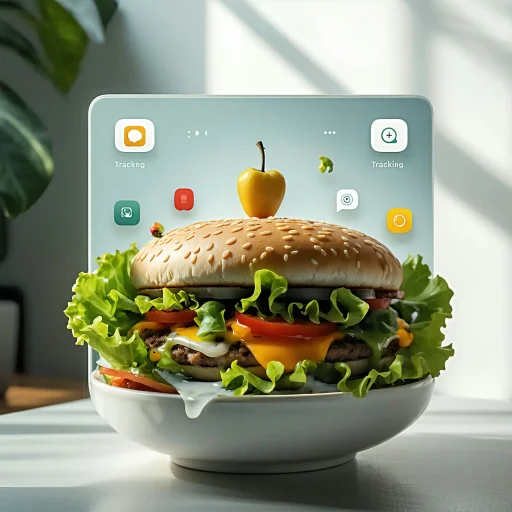
In the rapidly evolving landscape of mobile application design, Droppath's latest release represents a quantum leap in user interface innovation, seamlessly integrating Apple's groundbreaking Liquid Glass aesthetic into a transformative user experience.
The Evolution of Digital Interfaces
Mobile applications have long been constrained by rigid, static design paradigms. Droppath 6.0 shatters these limitations, introducing a fluid, almost organic approach to user interaction that feels less like software and more like an extension of human intuition.
 Liquid Glass: Blending Aesthetics and Functionality
Technical Innovations Under the Hood
The integration of iOS 26's Liquid Glass framework enables Droppath to create interfaces that are not just visually stunning, but fundamentally more responsive. By leveraging advanced rendering techniques, the application achieves unprecedented levels of visual depth and interactive fluidity.
"What we're witnessing is more than a design update—it's a fundamental reimagining of how users interact with digital platforms," says Chidi Okonkwo, Chief Design Officer at African Design Collective.Key Features Transforming User Experience
- Adaptive UI that responds dynamically to user context
- Translucent, layered design elements
- Enhanced gesture recognition
- Seamless performance optimization
African Tech Context
For African developers and designers, Droppath 6.0 represents more than a technological milestone—it's a blueprint for global-standard interface design that emerges from innovative thinking.
Future Implications
The release signals a broader trend: mobile interfaces are becoming less about screens and more about experiences. By prioritizing fluidity, context-awareness, and aesthetic elegance, Droppath is positioning itself at the forefront of a design revolution.
Interested readers can explore more about this technological breakthrough through these resources:
- TechCabal: Droppath's Design Evolution
- Techpoint Africa: Mobile UI Trends 2024