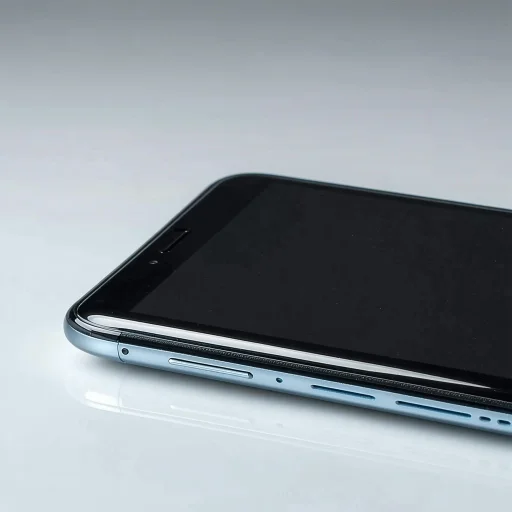
Microdia, a global consumer electronics manufacturer, has officially entered the Nigerian market with a comprehensive range of innovative electronic products, signaling a significant expansion strategy in West Africa's largest economy. The launch represents a calculated move to tap into Nigeria's growing consumer technology landscape.
The strategic market entry comes at a critical time when Nigeria's consumer electronics sector is experiencing rapid digital transformation and increased consumer appetite for affordable, high-quality technological solutions. Microdia's product lineup aims to address the diverse technological needs of Nigerian consumers across multiple demographic segments.
Industry analysts view this launch as more than just a product introduction, but a potential game-changing moment for both Microdia and the Nigerian consumer electronics ecosystem. The company's approach suggests a deep understanding of local market dynamics and consumer preferences.
Product Portfolio and Market Strategy
Microdia's Nigerian launch encompasses a diverse range of consumer electronics designed to cater to different market segments. The product lineup includes smartphones, tablets, smart home devices, and peripheral electronics targeting both urban professionals and emerging middle-class consumers.
Key product features emphasize affordability, durability, and technological innovation—critical factors for success in the Nigerian market. By offering competitively priced devices with robust specifications, Microdia aims to differentiate itself from established international and local brands.
"Our entry into Nigeria represents a strategic commitment to understanding and serving the unique technological needs of African consumers," said Michael Okonkwo, Microdia's Regional Director for West Africa.Market Context and Economic Implications
Nigeria's technology market presents significant opportunities, with a young, tech-savvy population and increasing smartphone penetration. According to recent data from Techpoint Africa, smartphone adoption in Nigeria has been growing at approximately 10% annually, creating a fertile ground for new market entrants.
The launch also coincides with Nigeria's broader digital transformation initiatives, which seek to promote local technology adoption and support emerging digital ecosystems. Microdia's strategic approach aligns with these national technological development goals.
Competitive Landscape and Challenges
Entering the Nigerian consumer electronics market is not without challenges. Established brands like Samsung, Tecno, and Infinix have already carved significant market share. Microdia will need to differentiate through competitive pricing, robust after-sales support, and localized marketing strategies.
The company's initial market research suggests a strong potential for growth, particularly in mid-range smartphone and tablet segments where price sensitivity remains high. By offering devices that balance quality and affordability, Microdia hopes to quickly establish brand credibility.
Future Outlook and Expansion Plans
Beyond the initial product launch, Microdia has indicated plans for continued investment in the Nigerian market. This includes potential local assembly partnerships, expanded retail distribution networks, and ongoing product line diversification tailored to local consumer preferences.
The company's long-term strategy appears focused on building a sustainable presence in Nigeria, viewing the market not just as a sales opportunity but as a strategic platform for broader African expansion.
Consumer and Industry Response
Early industry reactions to Microdia's launch have been cautiously optimistic. Technology experts consulted by Disrupt Africa noted the potential for disruption in the consumer electronics segment, particularly if the company can consistently deliver on its promised value proposition.
Consumer feedback will be crucial in determining the success of this market entry. Microdia's ability to provide reliable products, responsive customer support, and competitive pricing will be key factors in establishing market credibility.