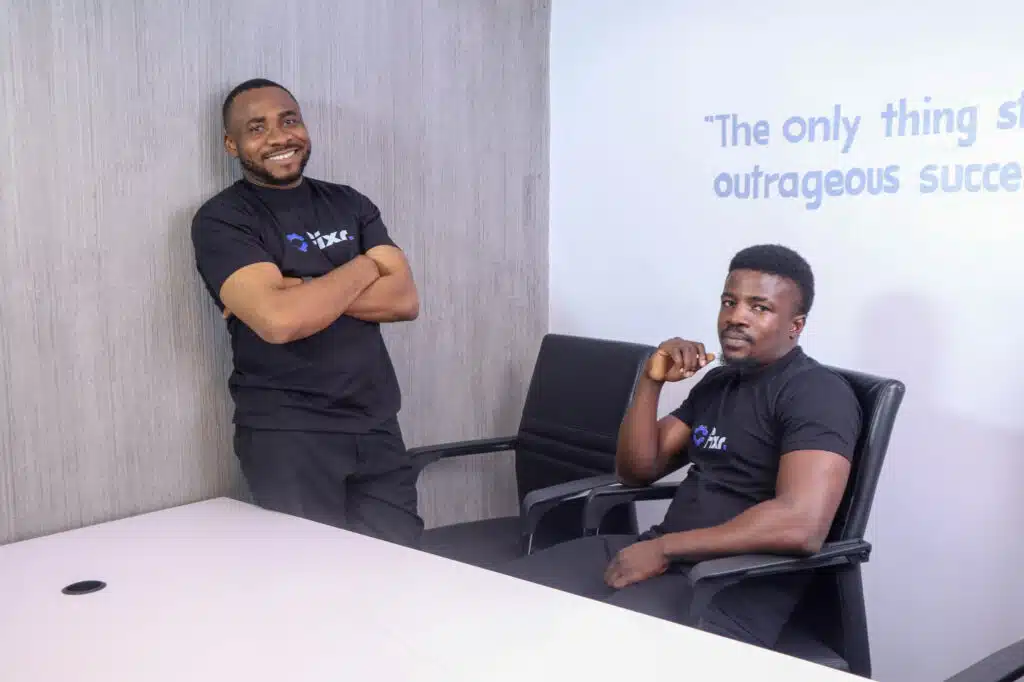
The story of Fixr is currently sending shockwaves through the African tech ecosystem. While most "high-growth" startups are struggling with downrounds and layoffs, Fixr quietly crossed ₦3 billion in annual revenue.
Here is the technical and strategic breakdown of how they engineered this growth.
1. The "Managed Supply" Architecture
Most tech founders in Nigeria attempt the Marketplace Model (Asset Light):
• The Logic: Build a platform, onboard freelancers, take a 10–20% commission.
• The Failure Point: In Nigeria, this leads to a "Trust Gap." If a technician from a marketplace does a poor job, the platform loses the customer forever.
Fixr’s Solution: They moved to a Full-Stack Model. They transitioned from being a "connector" to a "contractor." By bringing technicians onto a fixed salary and integrating them into an internal Service Management System (SMS), they guaranteed quality.
• Tech Impact: Instead of managing "leads," their software manages man-hours, spare parts inventory, and real-time logistics.
2. Strategic Pivot: Solving the Energy Financing Problem
The real "hockey stick" growth for Fixr didn't come from fixing air conditioners—it came from Renewable Energy (Solar).
They identified a massive FinTech hurdle:
1. Customers want solar.
2. Solar costs ₦3M+ upfront.
3. Nigerian banks rarely give consumer loans for "invisible" assets.
Fixr built a Credit-as-a-Service layer. They processed nearly ₦5 billion in solar financing by acting as the bridge between the equipment, the bank, and the consumer. They turned a technical installation service into a high-margin financial product.
3. The Unit Economics of "Debt vs. Equity"
In a high-interest environment like Nigeria, taking USD-denominated VC investment is risky because you are "shorting" the Naira. Fixr’s founder, Adolphus, chose a different path:
• Profitable from Day 1: Every service call had to cover its own cost.
• Local Debt: They used credit lines from local banks (like Sterling Bank) to fund operations.
• Zero Dilution: By keeping 100% ownership, the founders weren't forced to pivot to "growth at all costs." They could focus on Customer Lifetime Value (CLV).
4. The "Web Presence" Catalyst
The most fascinating technical detail is that Fixr started because a repairman (Akangbe) recognized he needed a website to scale.
This highlights a shift in the Nigerian economy: The professionalization of the informal sector. The "Old" way was word-of-mouth; the "New" way is a SEO-optimized, mobile-responsive booking engine. Fixr didn't disrupt the "fixing" business; they disrupted the access to it.
Key Data Points:
• Revenue: ₦3 Billion (Annual)
• Investment: ₦0 (External Equity)
• Core Driver: Renewable Energy Financing (₦5 Billion processed)
• Model: Managed Workforce (Salaried Technicians)
The Technical Verdict:
Fixr is proof that in 2026, the most successful Nigerian tech companies aren't the ones trying to be the "Google of Africa." They are the ones building heavy infrastructure—managing people, logistics, and financing—to solve the friction in the physical world.