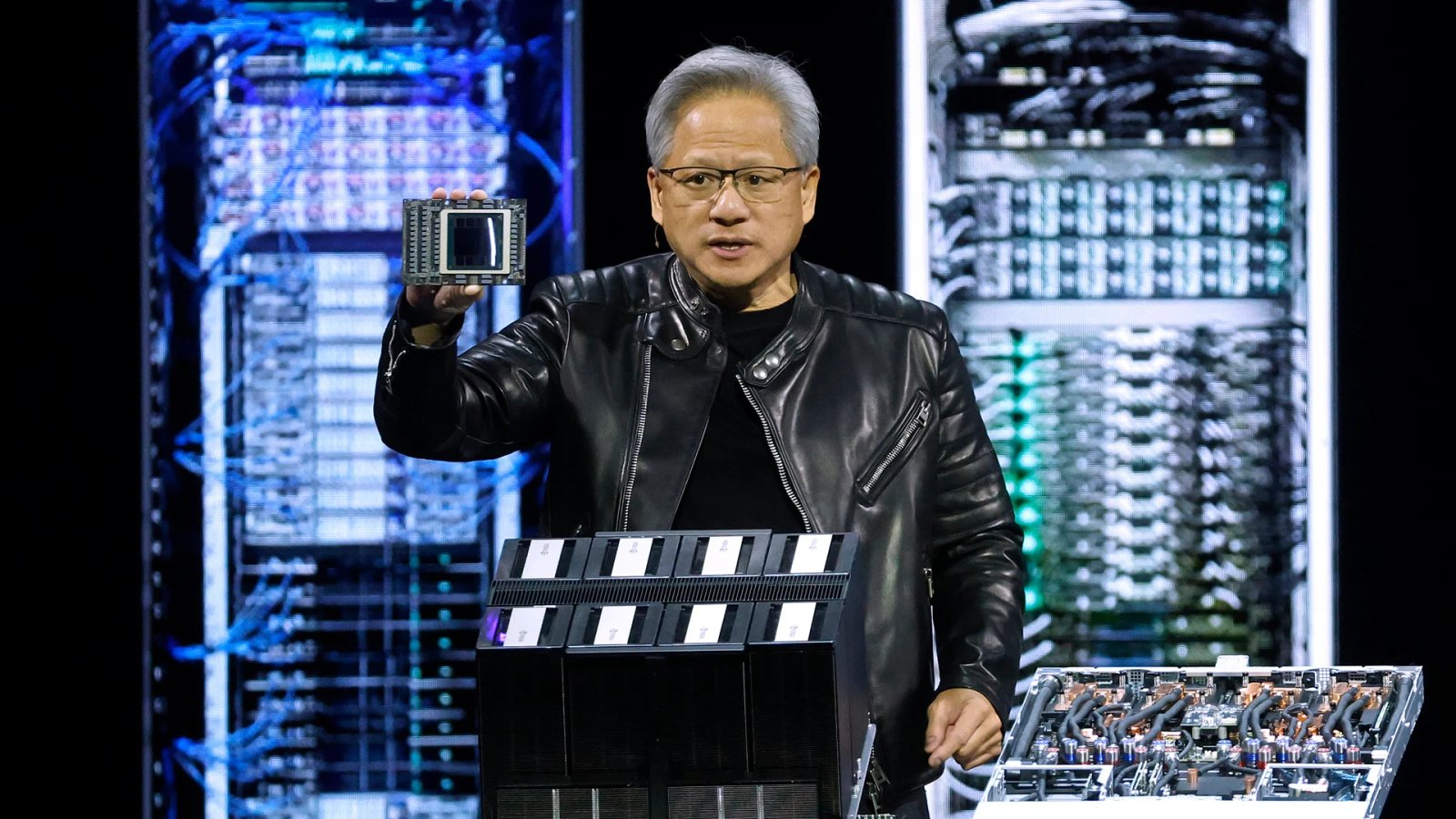
The global technology industry is currently experiencing one of its most aggressive shifts in modern history and at the center of it all is NVIDIA
What started as a graphics chip company has now transformed into the backbone of the global artificial intelligence revolution
Across the world tech companies are racing to secure AI computing power and almost every major AI system today depends on NVIDIA hardware to function at scale
This sudden surge in demand has pushed NVIDIA into a position of extreme influence over the future of artificial intelligence development
From startups to governments to trillion dollar corporations everyone is competing for access to the same limited AI computing infrastructure
And this is changing the balance of power in the technology world faster than many experts expected.
The rise of generative AI has created an unprecedented demand for high performance computing systems capable of training and running massive AI models
NVIDIA has become the primary provider of these systems and its GPUs are now considered essential infrastructure for modern AI development
As a result the company has seen explosive growth in global demand from companies building AI tools chatbots autonomous systems and enterprise automation platforms
Technology analysts say this shift represents a fundamental change in how computing power is distributed across the world
Instead of traditional software being the center of innovation AI models now require massive distributed computing networks powered by specialized chips.
NVIDIA sits directly at the center of this transformation
The company’s CUDA architecture and advanced GPU systems have become the standard foundation for AI training and inference across almost every major AI platform
This includes companies working on large language models computer vision systems robotics autonomous vehicles and real time AI applications
Because of this dependency NVIDIA is now being described as one of the most strategically important companies in the global tech ecosystem.
Industry experts believe the AI boom has created a new category of digital infrastructure where computing power is as important as electricity and internet connectivity
And NVIDIA is currently the leading provider of that infrastructure.
At the same time competition in the AI chip market is beginning to intensify
Companies like AMD Intel and several new semiconductor startups are attempting to challenge NVIDIA’s dominance by developing alternative AI accelerators
However catching up remains extremely difficult due to NVIDIA’s years of optimization ecosystem development and deep integration with AI frameworks
One of the biggest advantages NVIDIA holds is its software ecosystem which locks developers into its platform through tools libraries and optimized AI frameworks
This creates a strong network effect that continues to reinforce its dominance in the AI industry.
As AI adoption expands across industries the demand for chips has reached record levels
Cloud computing providers are building massive data centers specifically designed for AI workloads and these facilities require tens of thousands of high performance GPUs
This has led to supply shortages and long waiting times for companies trying to acquire AI hardware
In some cases organizations are being forced to redesign their AI strategies based on hardware availability rather than innovation goals.
This level of dependency highlights how central NVIDIA has become in shaping the pace of global AI development
The impact is not limited to technology companies alone
Entire industries including healthcare finance education manufacturing logistics and entertainment are now relying on AI systems powered by NVIDIA infrastructure
For example healthcare institutions are using AI for diagnostics and medical imaging finance companies are using AI for fraud detection and trading systems and manufacturers are using AI for automation and predictive maintenance
This widespread adoption is creating a ripple effect that increases demand for AI chips across all sectors.
Governments are also beginning to recognize the strategic importance of AI hardware
Some countries are investing heavily in domestic semiconductor production to reduce dependence on foreign chip suppliers
This has introduced a new dimension to global competition where AI infrastructure is becoming a matter of national security
Meanwhile NVIDIA continues to expand its influence through partnerships with cloud providers software companies and AI research organizations.
The company is also investing in next generation computing technologies including accelerated computing robotics simulation and AI powered infrastructure systems.
Experts believe the next phase of AI development will require even more advanced hardware capable of handling real time intelligence at scale
This includes AI systems that can interact with physical environments autonomous machines and large scale digital ecosystems
NVIDIA is positioning itself as the foundation for this future.
However the rapid rise of AI computing has also raised concerns about energy consumption and sustainability
AI data centers require massive amounts of electricity and cooling infrastructure which is becoming a major challenge for global energy systems.
Some analysts warn that the growth of AI computing could strain power grids and increase environmental pressure if more efficient systems are not developed
In response NVIDIA and other tech companies are working on energy efficient chip designs and optimized AI architectures to reduce power consumption while maintaining performance
Despite these challenges the momentum behind AI development continues to accelerate
Investors are heavily funding AI infrastructure projects and semiconductor companies are experiencing some of the highest valuations in history.
The financial markets now view AI hardware as one of the most important sectors driving future economic growth
This has positioned NVIDIA not just as a technology company but as a central pillar of the global digital economy
As artificial intelligence continues to evolve the demand for computing power is expected to grow even further.
Future AI systems are expected to become more complex requiring larger datasets faster processing speeds and more advanced hardware architectures
This means NVIDIA’s role in the AI ecosystem may become even more critical in the coming years
At the same time competition innovation and regulatory pressure will continue shaping the industry
But for now NVIDIA remains firmly at the center of the global AI revolution
And as the world moves deeper into the age of artificial intelligence one reality is becoming increasingly clear
The future of AI depends heavily on the chips that power it and NVIDIA currently holds the strongest position in that future