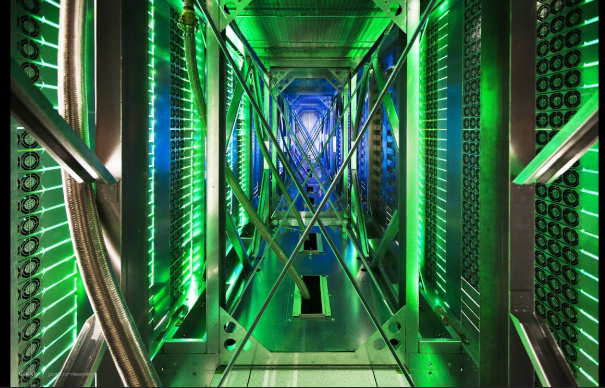
Every day, billions of people use the internet to communicate, shop, watch videos, learn, and work, yet very few fully understand the economic system operating beneath these digital interactions. Behind social media feeds, online platforms, apps, and websites exists a massive and rapidly expanding internet economy that is quietly reshaping industries, creating new forms of wealth, and changing how value is created globally. While most users interact only with the visible surface of the internet, the real power lies in the infrastructure, systems, and digital markets operating behind the scenes.
Attention Became Currency
One of the most important shifts in the digital age is that human attention has become one of the most valuable resources in the world. Platforms compete aggressively for engagement because attention directly translates into advertising revenue, subscriptions, and user growth. Social media algorithms, streaming services, and recommendation systems are all designed to maximize the amount of time users spend online. In this new economy, attention functions almost like currency, driving enormous financial value for the companies able to capture and retain it.
Digital Products Scale Infinitely
Unlike physical products, digital products can be copied and distributed globally at almost no additional cost. Software, online courses, digital tools, streaming platforms, and AI systems all benefit from this unique economic advantage. Once built, these products can serve millions of users simultaneously, creating enormous scalability and profitability. This is one reason why internet-based businesses have become some of the most valuable companies in history.
Platforms Control Distribution
Another major feature of the internet economy is the concentration of power within digital platforms that control visibility and distribution. Search engines, app stores, social networks, and online marketplaces determine which products, creators, and businesses gain exposure. Because these platforms influence traffic and discovery, they hold enormous economic power and shape how digital businesses grow.
Data Became a Strategic Asset
Modern internet companies rely heavily on data to improve products, personalize experiences, and optimize decision-making. User behavior, preferences, search activity, and engagement patterns are constantly analyzed to increase efficiency and profitability. In many ways, data has become one of the most valuable assets in the digital economy because it allows companies to predict trends, improve algorithms, and strengthen competitive advantages.
The Rise of Internet Entrepreneurs
The internet economy has also created opportunities for individuals to build businesses independently without relying on traditional institutions. Developers, creators, designers, and online entrepreneurs can now generate income through apps, content, subscriptions, software products, and digital communities. This has dramatically lowered the barriers to entrepreneurship and expanded access to global markets.
AI Is Accelerating Everything
Artificial intelligence is accelerating the growth of the internet economy by increasing automation, reducing operational costs, and enabling faster innovation. AI tools can now assist with coding, customer support, content creation, analytics, and marketing, allowing businesses to scale more efficiently than before. This acceleration is making digital entrepreneurship even more accessible and competitive.
The Economy Behind Everyday Life
Many people still think of the internet primarily as a communication tool, but it has evolved into a complete economic system influencing nearly every aspect of modern life. Businesses, governments, creators, and consumers now depend heavily on digital platforms and software-driven systems. As technology continues to evolve, the internet economy will likely become even more integrated into daily life, creating new opportunities while reshaping global industries in ways most people are only beginning to understand.