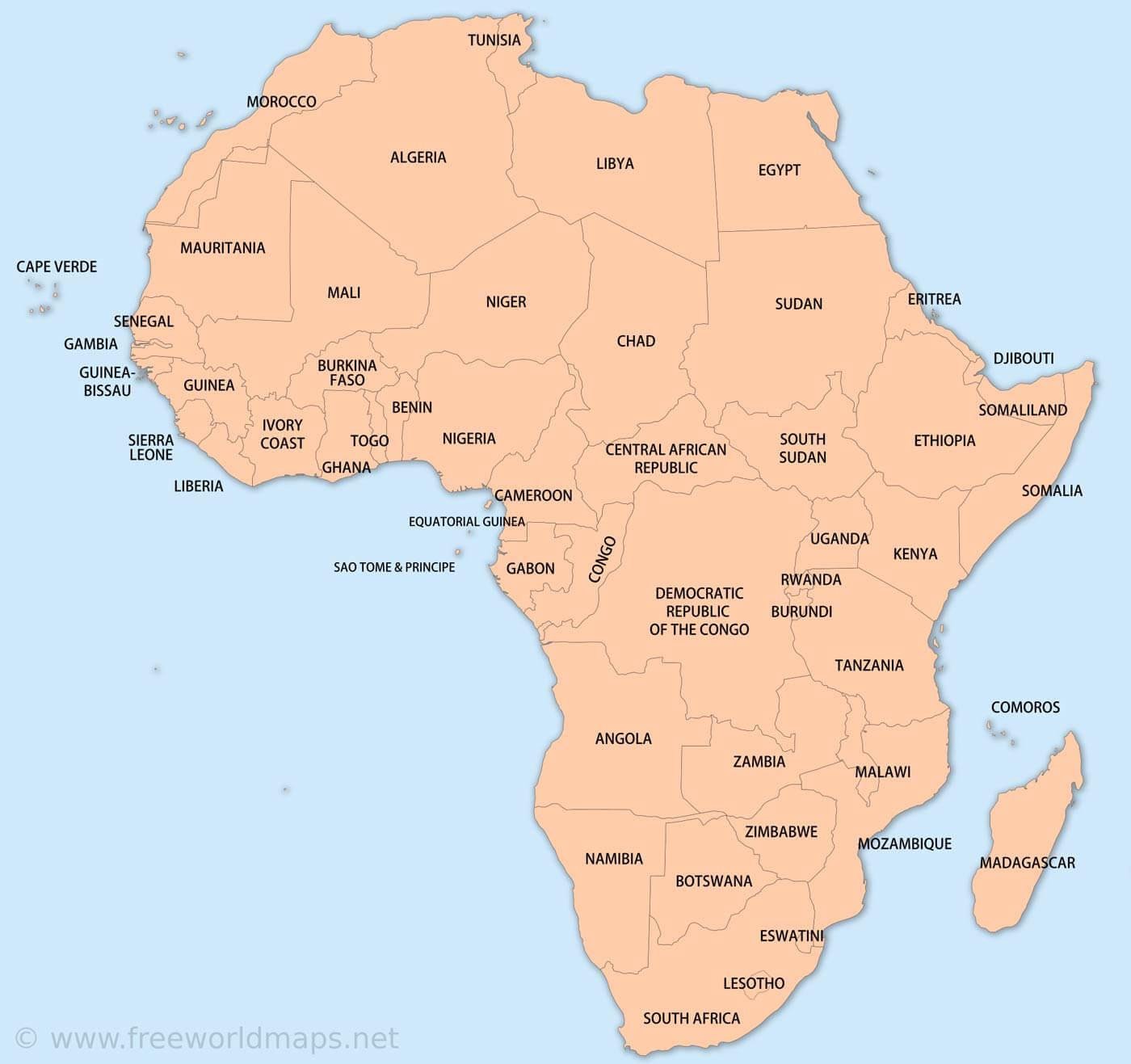
Political tensions are rising across Africa once again as several governments face mounting pressure over elections,economic instability, military influence and growing public frustration.From East Africa to West Africa, the continent is entering a period many analysts believe could redefine its political future for the next decade.
At the center of global attention is Ethiopia, where Prime Minister Abiy Ahmed is preparing for one of the most significant elections of his political career.The election is being viewed not only as a domestic political contest but also as a test of democratic strength in Africa’s second most populous nation.
Millions of Ethiopians are expected to participate in the upcoming vote despite security fears and political divisions that continue to affect parts of the country. The government insists the election represents progress and stability after years of conflict, while opposition groups argue that political freedoms remain limited and uneven across different regions.
Since assuming office in 2018,Abiy Ahmed transformed from a reformist leader praised around the world into one of the continent’s most controversial political figures. His early administration brought optimism after years of authoritarian criticism.Political prisoners were released,media restrictions were reduced, and peace agreements with neighboring Eritrea helped Ethiopia regain international goodwill.
That optimism reached its peak when Abiy Ahmed received the Nobel Peace Prize in 2019. Many Africans believed Ethiopia was entering a new democratic era.investors also began paying close attention to the country because of its rapidly growing economy and massive population.
However,the years that followed dramatically changed public perception.
The Tigray conflict became one of Africa’s deadliest modern crises,causing widespread destruction,displacement and humanitarian concerns.International organizations accused multiple sides in the conflict of human rights abuses while diplomatic pressure mounted from Western governments and aid agencies.
Although a peace agreement eventually reduced large scale fighting,tensions remain high in several regions including Oromia and Amhara.Armed groups continue to challenge state authority in some areas, and political violence has become a major concern ahead of the election period.
Despite criticism from opposition parties and international observers, the ruling Prosperity Party still appears politically dominant.
Government supporters argue that Ethiopia has continued building roads,railways,digital infrastructure and industrial projects even during difficult economic periods.
The administration also claims inflation is gradually stabilizing while new investment opportunities are attracting foreign businesses into manufacturing, agriculture, and telecommunications sectors.
For many young Ethiopians, however, daily economic hardship remains severe. Rising food prices,unemployment and insecurity continue to affect millions of families.Social media discussions across the country reveal deep frustration among citizens who believe political leaders are disconnected from ordinary people’s struggles.
Across Africa,Ethiopia’s political developments are being closely monitored because many countries are facing similar tensions.
In West Africa,military governments in Mali, Burkina Faso, and Niger continue to reshape regional politics after a series of coups removed civilian administrations from power. The juntas argue they stepped in because elected governments failed to stop terrorism and economic decline. Supporters of the military leaders say Western-backed democracy has not delivered stability or prosperity to ordinary citizens.
At the same time, critics warn that military rule could weaken democratic institutions and increase authoritarian governance across the region.
The political crisis in the Sahel has also intensified geopolitical competition between global powers.Russia has expanded influence through military cooperation and security partnerships while France has steadily lost political influence in several former colonies. China continues strengthening economic relationships through infrastructure projects and investment deals across Africa.
The United States and European Union are now paying closer attention to African political developments as competition for diplomatic influence,natural resources and strategic alliances increases globally.
Meanwhile,South Africa is facing its own political uncertainty after recent coalition tensions exposed deep divisions within the country’s leadership structure.Economic pressure,corruption allegations,electricity shortages and unemployment continue to dominate political discussions among voters.
In Nigeria, conversations surrounding governance,inflation,insecurity and economic reforms remain major national issues. Citizens across the country continue expressing concern about rising living costs, unemployment and the weakening purchasing power of ordinary households.Political analysts believe public trust in institutions is becoming one of the biggest challenges facing many African democracies today.
The Democratic Republic of Congo is also attracting international concern due to continued instability in eastern regions where armed conflicts and humanitarian crises remain unresolved.Political observers warn that prolonged insecurity could further destabilize Central Africa if stronger diplomatic and security measures are not implemented soon.
Globally,Africa’s growing importance cannot be ignored.
The continent possesses some of the world’s most valuable natural resources including lithium, cobalt,gold,oil and rare earth minerals critical for modern technology and renewable energy industries.As global powers compete economically and politically,African governments are increasingly becoming strategic partners in international negotiations.
This growing geopolitical attention is creating both opportunities and risks.
Some leaders are using foreign partnerships to expand infrastructure and economic development while others face criticism for increasing debt levels and relying too heavily on external powers. Younger generations across Africa are now demanding stronger governance, accountability, transparency, and economic opportunities from their leaders.
Social media has also transformed political engagement throughout the continent. Young Africans are increasingly using digital platforms to organize protests, criticize governments,expose corruption and influence public opinion faster than ever before.
Political experts say this new digital activism could significantly shape future elections and government policies across Africa.
As Ethiopia prepares for its crucial election, many citizens are asking whether the country can balance stability with democracy while avoiding another cycle of conflict. The answer may not only shape Ethiopia’s future but also influence political conversations across the continent.
For now, Africa stands at another major crossroads where leadership decisions, public trust,economic reforms and democratic institutions could determine whether the coming years bring stability or deeper political uncertainty.
One thing remains clear. The world is watching Africa more closely than ever before, and the political choices made today may define the continent’s future for generations to come.
Source: