Something big is unfolding in , and it’s not the kind of quiet political change that goes unnoticed. After years of uncertainty, frustration, and repeated elections, the country is now seeing a shift that could redefine its future. What makes this moment even more intense is that it’s not just about internal politics anymore — the ripple effects could extend across Europe and beyond. Observers, analysts, and everyday citizens are all paying closer attention, trying to understand whether this is the beginning of long-awaited stability or the start of a more complicated political era.
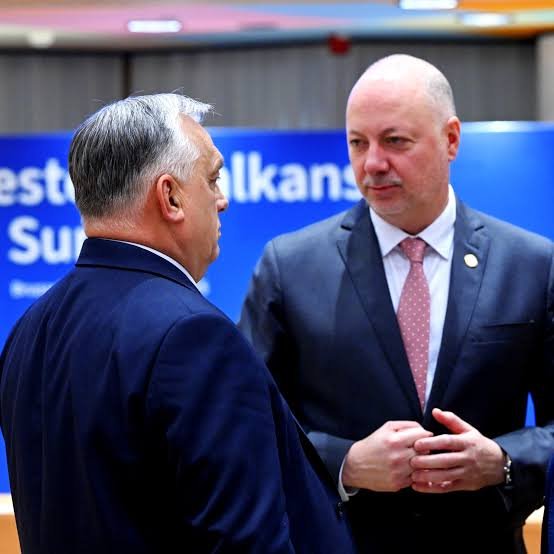
At the center of this growing attention is , a leader whose influence has been steadily increasing. Over time, he has built a reputation as someone willing to challenge the usual political direction, and that’s exactly why his rise is attracting both support and concern. To some, he represents strength and the possibility of breaking Bulgaria out of its cycle of instability. To others, his approach raises serious questions about where he might lead the country, especially at a time when unity within Europe is considered more important than ever.
From Chaos to Control
For years, Bulgaria has been caught in a frustrating cycle of political instability, with governments forming and collapsing in quick succession. Elections have come and gone without delivering lasting solutions, leaving many citizens feeling exhausted and disconnected from the political process. Corruption concerns and lack of consistent leadership have only made things worse, creating an environment where trust in government has been steadily declining. In this context, the rise of a strong, decisive figure like Radev feels like a potential turning point, offering hope that the country might finally experience a sense of direction and control.
However, moving from chaos to control is never simple. While strong leadership can bring order, it can also concentrate power in ways that make people uneasy. The question now is whether this shift will genuinely fix the problems Bulgaria has been facing or simply replace one set of challenges with another. For many citizens, the desire for stability is strong, but so is the need for transparency, balance, and accountability in leadership.
The Part That’s Making Europe Nervous
What truly sets Radev apart — and what is making other European leaders pay close attention — is his stance on key international issues, particularly regarding Russia. In the past, he has openly questioned Western sanctions, expressed reluctance about sending military aid to Ukraine, and suggested that a more balanced or neutral relationship with Moscow could be beneficial. These positions stand out because they differ from the dominant approach taken by most European countries in recent years.
This difference in perspective creates tension within the , where unity has been a major priority, especially in response to global conflicts. When one leader begins to challenge that shared direction, it raises concerns about how cohesive the union can remain. It’s not just about disagreement — it’s about the potential for division at a time when cooperation is seen as critical.
Why This Is Bigger Than Bulgaria
While this situation may seem like a national issue at first glance, its implications go far beyond Bulgaria’s borders. As a member of the European Union, Bulgaria plays a role in shaping decisions that affect the entire region. Policies on sanctions, military support, and international relations often require agreement among member states, which means that even a single country can influence the pace and direction of major actions.
If Bulgaria, under Radev’s influence, chooses to take a different stance, it could slow down decision-making processes or create friction within the union. In a world where political alliances and global strategies are constantly being tested, even small shifts can have large consequences. This is why analysts are not just watching Bulgaria — they are watching what Bulgaria might represent for the future of European unity.
So… What Happens Next?
Right now, there are more questions than answers. Supporters of Radev see an opportunity for long-overdue stability and a break from ineffective political cycles, while critics remain cautious about the long-term implications of his leadership style and international views. The coming months will be crucial in determining whether his influence leads to meaningful progress or introduces new challenges that Bulgaria — and possibly Europe — will have to navigate.
Political transitions like this are rarely straightforward. They unfold over time, shaped by decisions, reactions, and unforeseen events. What seems promising at first can evolve in unexpected ways, and what appears risky can sometimes lead to positive change. This uncertainty is exactly what makes the current situation so important to watch.
One Thing Is Clear
What cannot be denied is that Bulgaria has entered a defining moment in its political journey. The choices being made now will not only affect its citizens but could also influence the broader European landscape. With tensions already present on the global stage, any shift in direction carries added weight and significance.
All eyes are now on Bulgaria, not just to see what happens next, but to understand what it might mean for