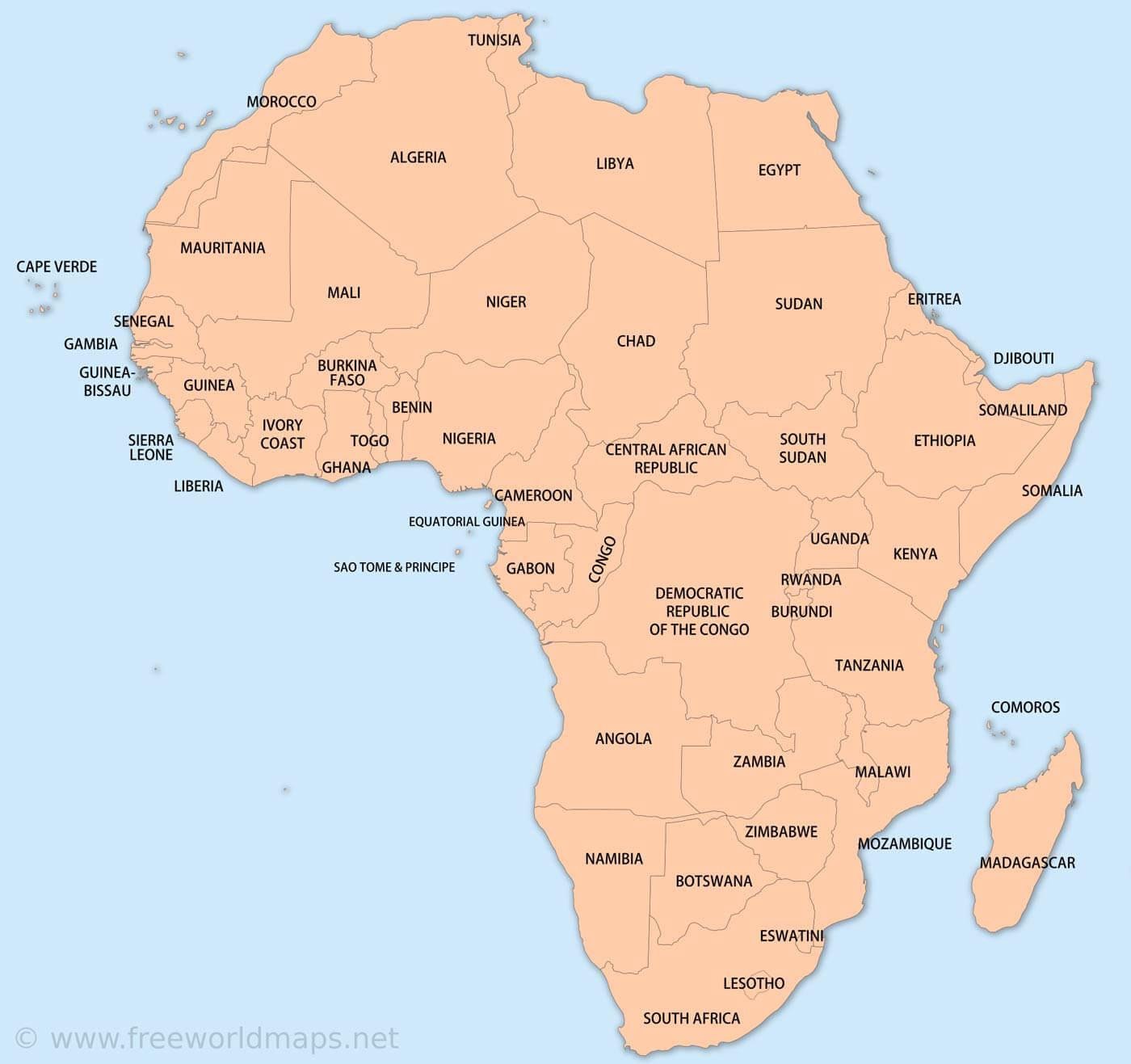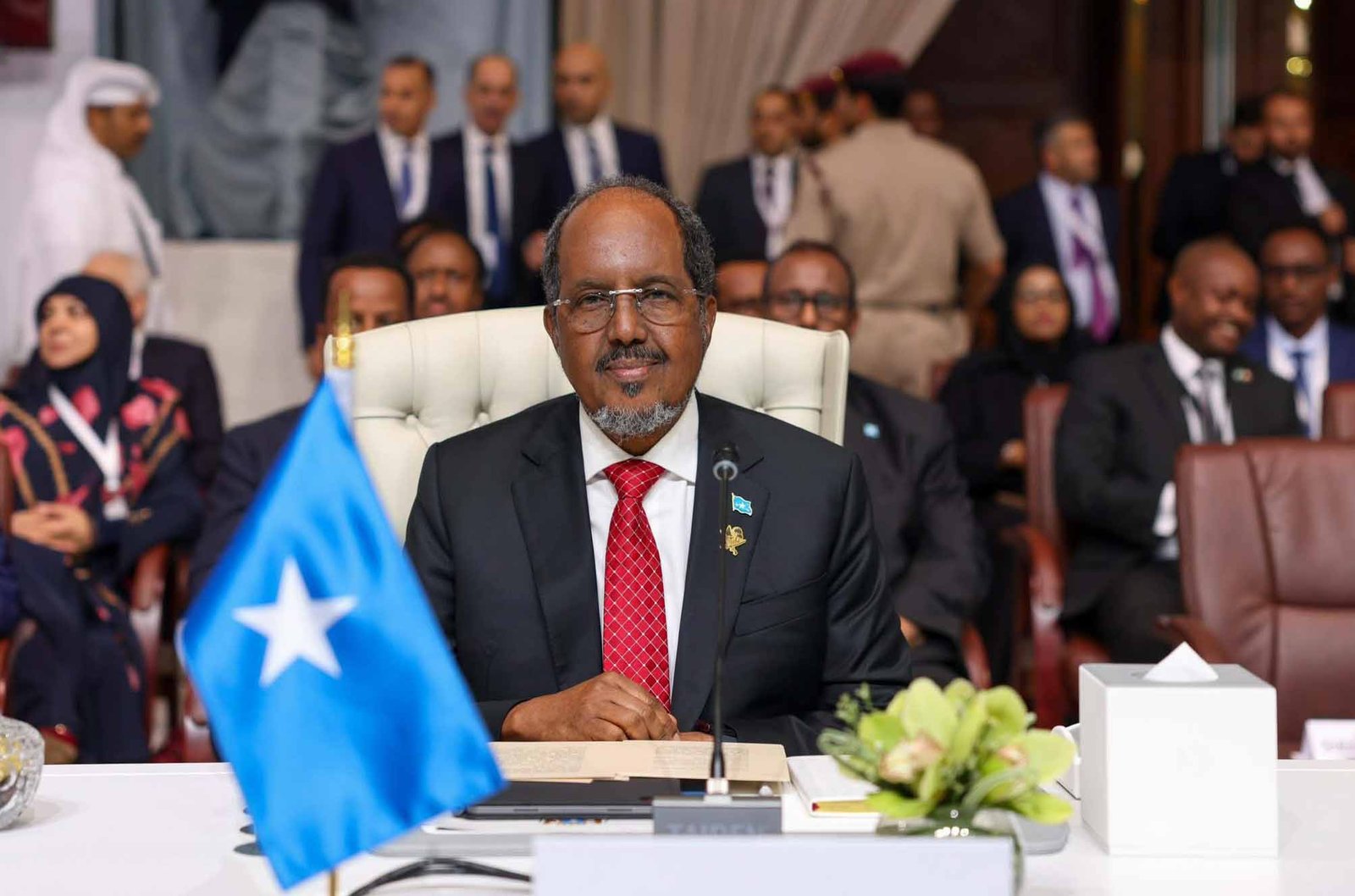
Political uncertainty is once again shaking the Horn of Africa as Somalia moves closer to what analysts are calling one of its most dangerous constitutional crises in years. Delayed elections,rising tensions between federal and regional leaders,growing insecurity and international pressure are now pushing the fragile nation into another period of instability that could affect the wider African region.
The crisis comes at a time when Africa is already dealing with increasing political tension across multiple countries, from military takeovers in the Sahel to disputed elections and economic frustration in several democracies.
In Somalia,the immediate concern centers around disagreements over electoral reforms, constitutional interpretation and the balance of power between the federal government and regional states.Political observers warn that the country risks repeating past cycles of instability if leaders fail to reach a compromise soon.
Somalia has spent decades trying to rebuild after years of civil war,terrorism,and institutional collapse.Although progress has been made through international support, security cooperation and gradual democratic reforms,the political system remains fragile and heavily dependent on negotiations among competing political elites.
The current dispute intensified after another election deadline passed without a comprehensive agreement among key political stakeholders.Opposition groups accuse the government of attempting to centralize power while undermining regional autonomy and delaying democratic processes for political advantage.
Government officials, however, argue that reforms are necessary to strengthen national unity and improve governance in a country that continues to battle extremist violence and political fragmentation.
The political deadlock is now raising fears among citizens who worry that unresolved tensions could lead to renewed violence, especially in areas already affected by insecurity linked to the extremist group Al-Shabaab.
Security experts believe the timing of the crisis could not be worse.
Somalia is still heavily dependent on support from African Union peacekeeping missions and international partners.At the same time, extremist attacks continue targeting military bases, government institutions, hotels, and civilian centers across the country. Political instability within the leadership structure could weaken counterterrorism efforts and create opportunities for militant groups to expand operations.
Across Africa, Somalia’s challenges are becoming part of a broader pattern of political instability and democratic uncertainty.
In the Sahel region,countries including Mali, Burkina Faso and Niger remain under military-led governments after a wave of coups removed elected administrations.Military leaders in those countries continue arguing that democratic governments failed to address terrorism,corruption and economic hardship.
Public opinion remains divided.
Some citizens support military governments because of frustration with traditional political systems, while others fear the erosion of democratic institutions and civil liberties. International organizations including the African Union and ECOWAS continue facing criticism over their handling of the region’s political crises.
Meanwhile,Ethiopia remains under intense international scrutiny ahead of critical elections expected to shape the country’s future political direction.Prime Minister Abiy Ahmed’s government continues facing pressure over insecurity,ethnic tensions and concerns surrounding political freedoms.
The Horn of Africa is increasingly becoming one of the world’s most strategically important and politically sensitive regions.
Global powers including the United States, China, Russia,Turkey,and Gulf nations are expanding diplomatic,economic and military influence across East Africa. Somalia’s coastal position along major international shipping routes makes the country especially important for global security and trade interests.
This growing international involvement has created both opportunities and complications.
While foreign investment and security partnerships have supported infrastructure and counterterrorism operations, critics argue that external influence sometimes deepens political rivalries by empowering competing factions and encouraging geopolitical competition inside fragile states.
Economic pressure is also contributing to political frustration throughout Africa.
Many governments are battling inflation, debt concerns,rising unemployment and increasing public dissatisfaction over living conditions. Young people across the continent continue demanding stronger leadership,transparency, and better economic opportunities through protests and online activism.
Social media has transformed political engagement in Africa more rapidly than many governments anticipated.
Citizens now organize movements, criticize policies,expose corruption and influence elections faster than ever before.Political leaders are increasingly aware that public opinion can shift quickly online,especially among younger populations frustrated by unemployment and poor governance.
In Somalia,younger generations are growing impatient with repeated political crises that continue delaying national development and stability.Many citizens believe leaders spend too much time negotiating political power while ordinary people struggle with poverty, insecurity, and lack of basic services.
International analysts warn that unresolved constitutional disputes could weaken Somalia’s fragile progress and increase the risk of political fragmentation if trust between federal authorities and regional administrations continues deteriorating.
At the same time,humanitarian concerns remain severe.
Millions of Somalis continue facing food insecurity due to climate challenges, displacement,conflict and economic instability.Aid agencies warn that prolonged political uncertainty could further complicate humanitarian operations and international assistance programs.
The African Union and United Nations are expected to increase diplomatic pressure on Somali leaders to reach a negotiated solution before tensions escalate further.However, past political crises have shown that agreements are often temporary and difficult to fully implement.
Across the continent, Africa’s political future appears increasingly shaped by a combination of democratic pressures, security threats, economic struggles and global geopolitical competition.
From Somalia to the Sahel, from Ethiopia to Central Africa, governments are facing growing demands from citizens who want stability, accountability and economic progress.
Whether African leaders can successfully navigate these pressures without deeper instability remains one of the continent’s biggest questions in 2026.
For Somalia,the coming weeks could become a defining moment.
If leaders manage to negotiate a peaceful political compromise,the country may continue its slow path toward recovery and state-building.But if tensions continue escalating without resolution,Somalia could face another dangerous period of uncertainty with consequences extending far beyond its borders.
The world is watching closely because what happens in Somalia may reflect broader political realities unfolding across Africa today.
Source: https://issafrica.org/iss-today/more-instability-for-somalia-as-another-election-deadline-lapses