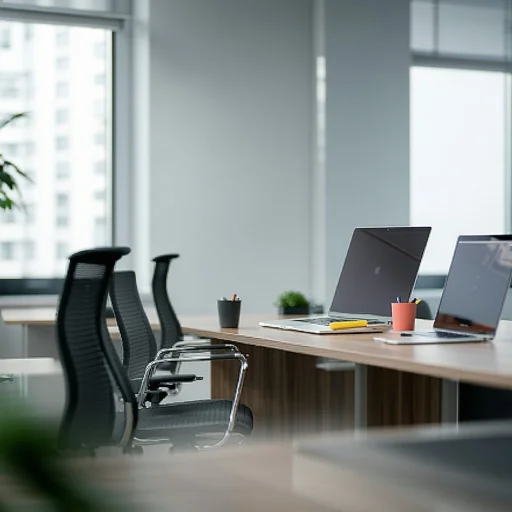
The Evolution of Modern Workspace Design in the Digital Age
In an era where creativity intersects with technology, the modern workspace has transformed from a mere functional area to a dynamic ecosystem of innovation. Today's digital professionals understand that their environment is not just a physical location, but a critical catalyst for inspiration, productivity, and breakthrough thinking.
The Psychology of Workspace Design
Workspace design goes far beyond aesthetic considerations. It represents a profound understanding of how physical environments can dramatically influence cognitive performance, creative output, and professional motivation. Research consistently demonstrates that thoughtfully curated spaces can increase productivity by up to 20% and significantly enhance overall job satisfaction.
Essential Elements of a High-Performance Creative Studio
Technology Integration
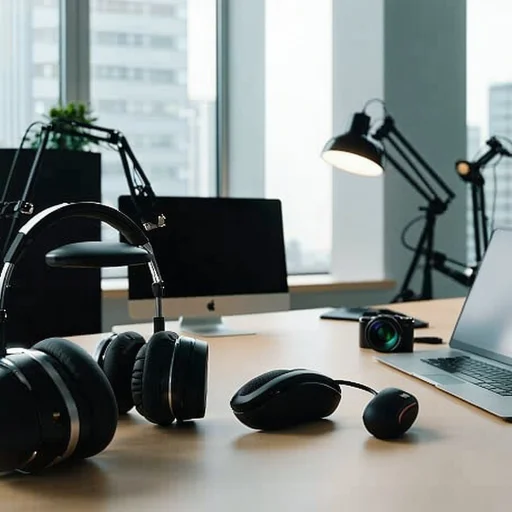
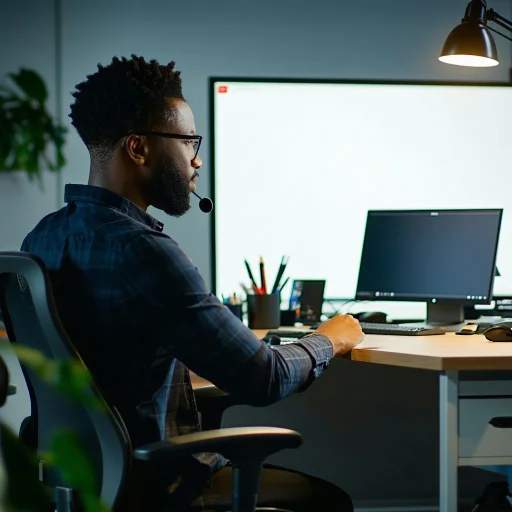
Modern creative studios are characterized by seamless technology integration. From multi-monitor setups to advanced ergonomic equipment, these spaces are engineered to support complex digital workflows. Professionals like those at Andela in Nigeria have been pioneering innovative workspace designs that reflect cutting-edge technological approaches.
Ergonomic Considerations
- Adjustable standing desks
- Ergonomic chairs with lumbar support
- Strategic lighting configurations
- Noise-cancelling technologies
Inspirational Storage and Organization Strategies
Creative professionals understand that clutter is the enemy of innovation. Intelligent storage solutions transform workspaces from chaotic environments into streamlined productivity zones. Modular shelving, hidden cable management systems, and multi-functional furniture pieces are becoming standard in high-performance creative studios.
"Your workspace is a physical manifestation of your creative potential. Design it with intention, and watch your productivity soar." - Kamau Gachigi, Founder of Gearbox KenyaTool and Gadget Organization
Professional creatives invest significant resources in organizing their tools. Custom-designed drawers, magnetic tool holders, and specialized rack systems ensure that every piece of equipment is not just stored, but instantly accessible.
The Role of Aesthetic and Emotional Inspiration
Beyond functionality, workspace design must also nurture emotional and psychological well-being. Color psychology, natural lighting, and strategic placement of inspirational artifacts can transform a mundane workspace into a sanctuary of creativity.
Cultural Influences in Workspace Design
African tech innovators are increasingly incorporating local design elements and cultural motifs into their workspaces. This approach not only personalizes the environment but also celebrates indigenous creativity and technological innovation.
Technology and Connectivity Considerations
Technology Component Recommended Specification Internet Connectivity Minimum 100 Mbps Fiber Optic Backup Power Uninterruptible Power Supply (UPS) Network Security Enterprise-grade VPN and FirewallSustainable Tech Infrastructure
Modern creative studios are increasingly adopting sustainable technology infrastructures. Energy-efficient devices, solar charging stations, and smart power management systems are becoming standard features in progressive workspaces.
Personal Workspace Philosophy
Ultimately, a workspace is a deeply personal environment. While design principles and technological considerations are important, the most critical factor is how the space resonates with its primary inhabitant. It should be a reflection of individual creativity, professional aspirations, and personal aesthetic sensibilities.
Continuous Evolution
The most effective workspaces are not static but continuously evolving. Regular reassessment, willingness to experiment, and openness to new organizational strategies ensure that the creative environment remains dynamic and inspiring.