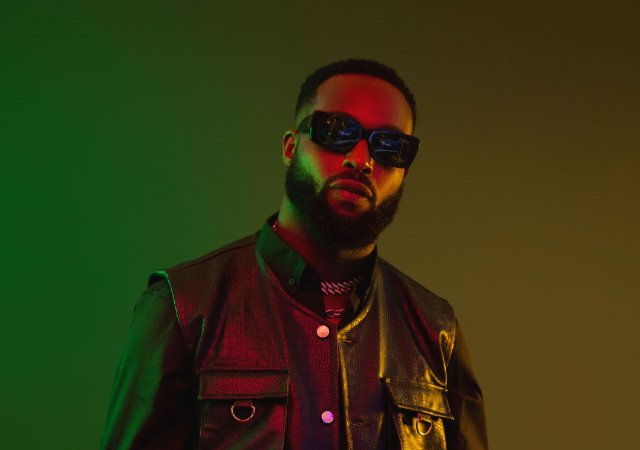
The intersection of Artificial Intelligence and the creative arts has moved from theory to a startling reality. Popular Nigerian disc jockey and record producer, DJ Neptune (Imohiosen Patrick), has sent shockwaves through the Nigerian music industry with a bold prediction: AI is quietly preparing to "retire" human music producers and sound engineers.
The Moment of Realization
Neptune’s warning wasn't based on speculation, but a personal encounter with the technology. Taking to social media to support a similar sentiment shared by media personality N6, DJ Neptune revealed how he was recently "shook" by the quality of AI-generated music.
He recounted a story where a contact sent him a record for feedback. After listening, Neptune was so impressed by the vocals and delivery that he advised his friend to sign the "artiste" immediately. To his surprise, he was told the entire track—vocals and all—was the work of AI.
"E shook me o," Neptune remarked, highlighting the terrifyingly high quality that these tools have reached.
A Threat to the Ecosystem?
N6, who sparked the conversation, noted that the change is happening "quietly." He suggested that the entire music production and mastering industry is at risk.
This isn't just about making beats; AI tools are now capable of:
- Vocal Synthesis: Mimicking existing artists or creating entirely new, pitch-perfect voices.
- Mastering: Providing studio-quality sound finishing that previously required expensive human engineers.
- Composition: Writing melodies and harmonies based on data from thousands of hit songs.
The Global Context: Grammys and Authenticity
This local debate mirrors a global shift. The Recording Academy recently updated its rules to allow AI-assisted music to be eligible for Grammy Awards, provided there is significant human contribution.
However, the "human touch" remains a point of contention. While many up-and-coming Nigerian producers are already using AI to speed up their workflow or enhance their sound, veterans worry about the loss of authenticity and the complex legal battles surrounding authorship and royalties.
The Overite Take
For Nigerian SMEs and creative entrepreneurs in the entertainment tech space, this transition presents both a threat and a massive opportunity. While AI might automate certain technical roles, the demand for human curation, storytelling, and emotional connection remains high.
Is AI a tool for empowerment or a replacement for the African producer? As DJ Neptune's experience proves, the line between "human" and "machine" in Afrobeats is getting thinner by the day.
What do you think? Can an AI ever truly capture the soul of a Nigerian hit song? Let us know in the comments.