The future of artificial intelligence, cloud computing, fintech, and digital services in Africa may be powered from one city — Lagos.
According to a recent report by TechCabal, the Lagos State Government plans to increase the city’s data centre capacity to over 250 megawatts by 2030 as demand for AI infrastructure and cloud services continues to grow rapidly.
This move positions Lagos as one of Africa’s most ambitious digital infrastructure hubs and signals Nigeria’s growing importance in the global AI economy.
Why Data Centres Matter
Most people use the internet every day without realizing what powers it behind the scenes. Every website, AI system, banking app, streaming platform, social network, and cloud application relies on data centres.
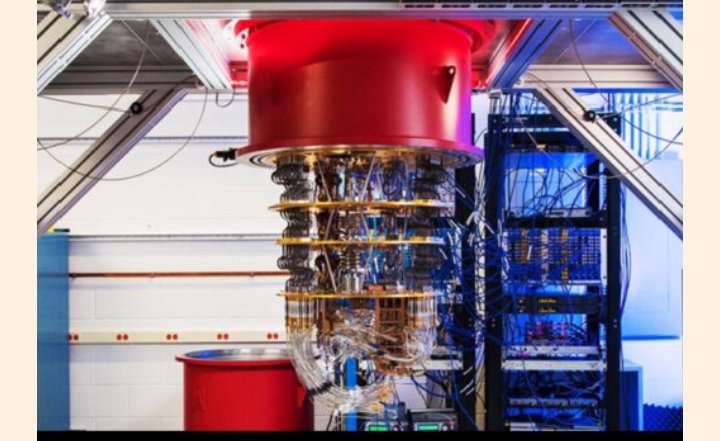
Data centres are massive facilities filled with servers and networking systems that store and process digital information. They are the backbone of:
- Artificial Intelligence
- Cloud Computing
- Fintech Platforms
- E-commerce
- Social Media
- Government Digital Services
- Online Education
- Streaming Platforms
As AI adoption grows globally, the demand for computing power is increasing at an unprecedented speed.
Lagos Wants to Become Africa’s AI Infrastructure Hub
The Lagos State Commissioner for Innovation, Science, and Technology, Olatubosun Alake, revealed that the city wants to scale its capacity significantly by the end of the decade.
This expansion is being driven by:
- Rising AI workloads
- Increased cloud adoption
- Growth in fintech and startups
- Digital transformation across industries
- Growing internet usage in Africa
Currently, many African companies depend on foreign cloud infrastructure located in Europe, South Africa, or the Middle East. Increasing local data centre infrastructure could reduce costs, improve speed, strengthen data sovereignty, and improve digital security.
The Rise of AI Infrastructure in Nigeria
Nigeria is already seeing major investments in AI-ready infrastructure.
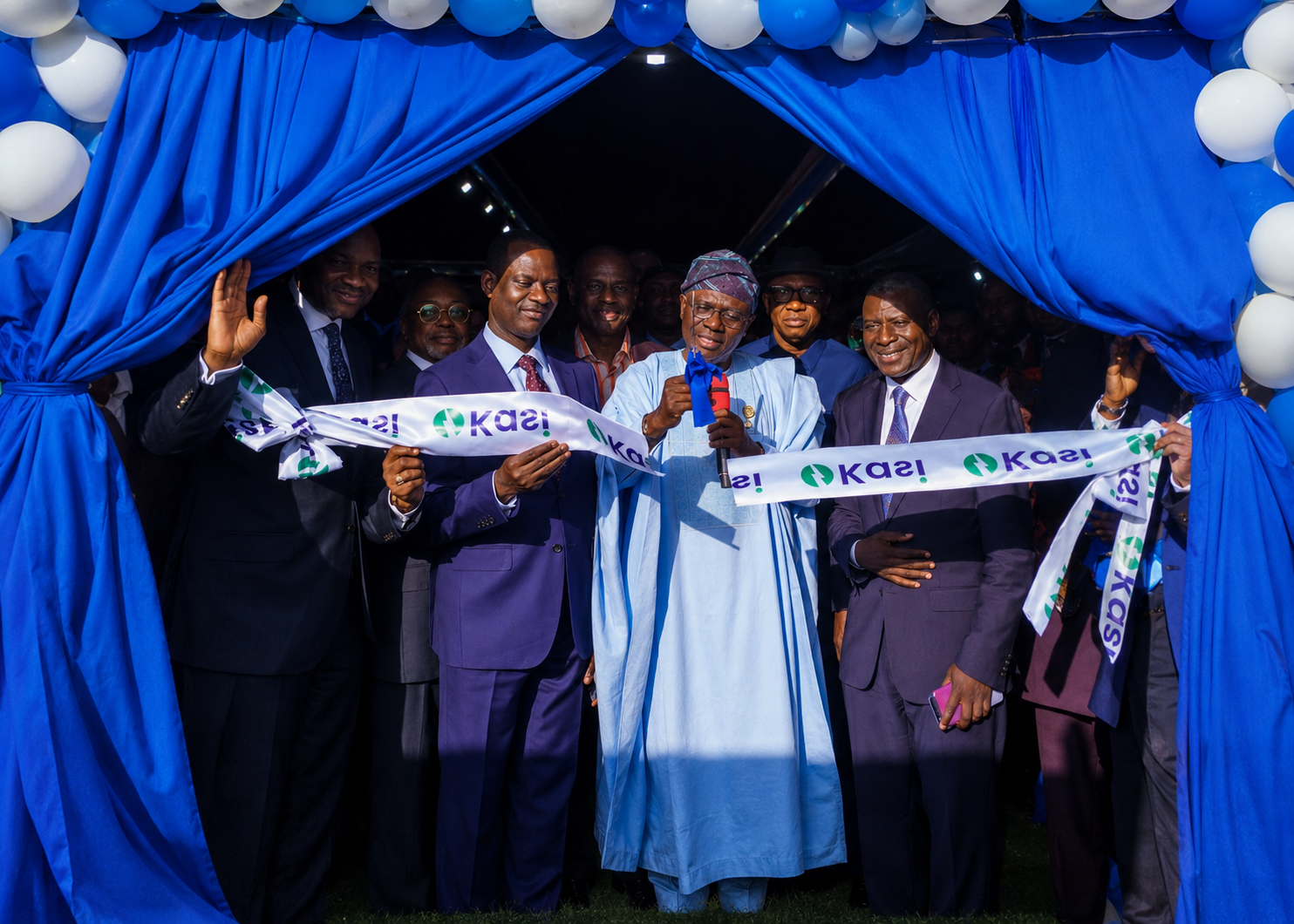
Projects like Kasi Cloud’s planned 100MW AI-focused campus in Lekki show how investors are preparing for the future of high-performance computing in Africa.
Global operators are also expanding into Nigeria. Companies like Equinix are increasing investments in Lagos-based infrastructure projects to support growing enterprise demand.
According to industry analysis, Lagos currently hosts the majority of Nigeria’s operational data centres due to:
- Stronger internet connectivity
- Submarine cable landing stations
- Higher enterprise demand
- Better digital infrastructure
- Growing startup ecosystem
The Energy Challenge
While the opportunity is massive, there is also a major challenge: electricity.
AI-ready data centres consume enormous amounts of power. Modern AI infrastructure requires stable electricity, advanced cooling systems, and high-capacity networking.
Experts warn that Nigeria’s power infrastructure must improve significantly if the country wants to compete globally in AI and cloud infrastructure.
Without reliable power, the cost of operating data centres could remain very high.
What This Means for Africa’s Digital Economy
The expansion of data centre infrastructure could create major benefits across Africa:
- Faster digital services
- Improved fintech performance
- Better AI development opportunities
- Increased cloud adoption
- More startup growth
- New technology jobs
- Stronger digital independence
It could also help position Nigeria as West Africa’s primary digital gateway.
As AI continues to transform industries worldwide, countries investing early in infrastructure may gain significant economic advantages over the next decade.
The Bigger Picture
The race for AI dominance is no longer only about software — it is now about infrastructure.
The countries that control computing power, cloud infrastructure, and AI-ready data centres may become the leaders of the next digital economy.
For Lagos, this latest expansion plan is more than a technology project. It is a long-term bet on becoming one of Africa’s most important digital cities.
Read the original report from TechCabal here