Nigeria’s fintech ecosystem continues to expand rapidly, but one challenge has remained consistent across the industry — the shortage of industry-ready tech talent.
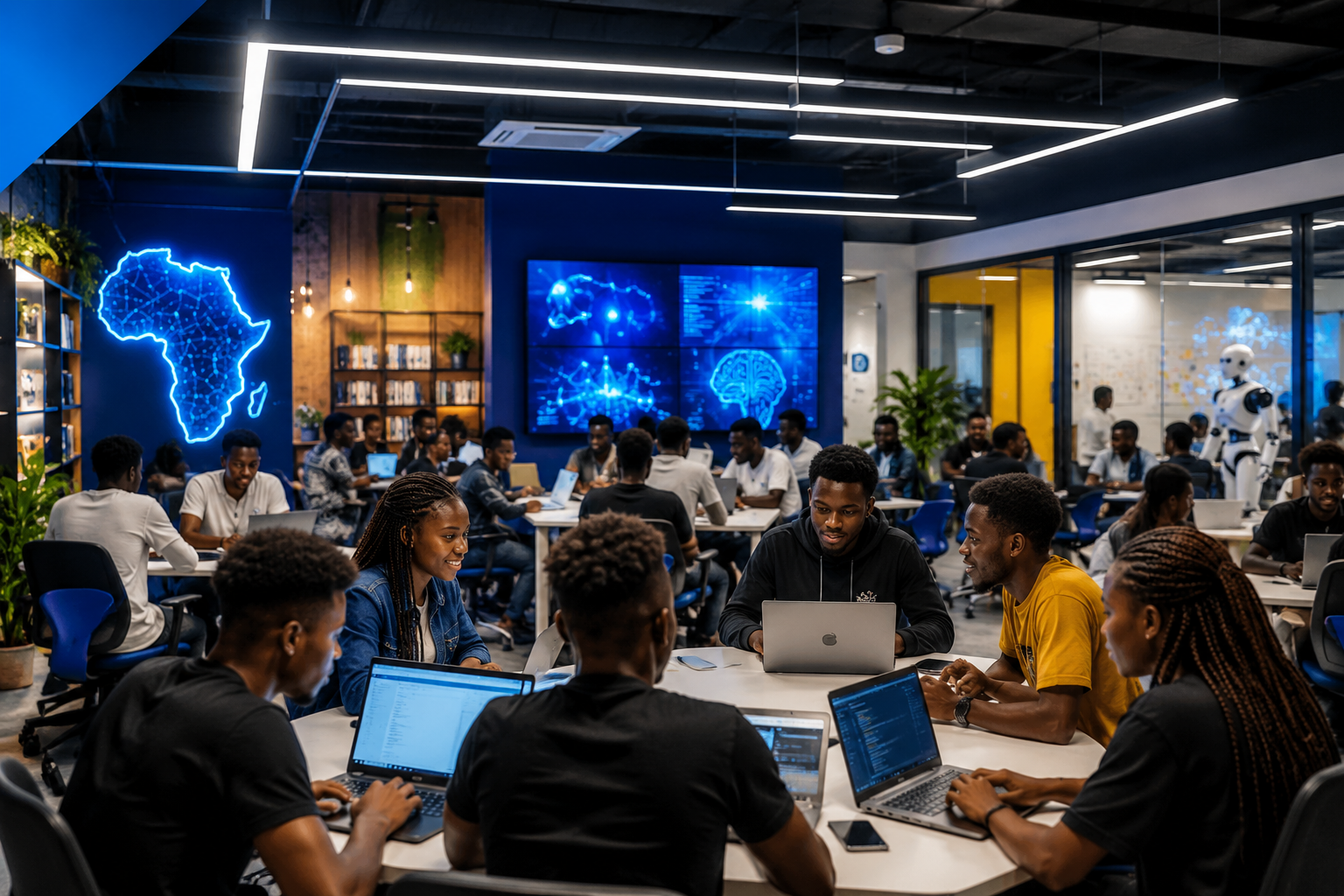
In response to this growing gap, Moniepoint recently announced a ₦3 billion investment to establish innovation and learning hubs across selected Nigerian universities. The initiative is designed to equip students with practical digital skills in areas such as Artificial Intelligence (AI), software engineering, robotics, data science, and entrepreneurship.
The move has generated significant attention across Nigeria’s technology and education sectors, with many describing it as one of the most impactful private-sector educational investments in recent years.
What the Investment Covers
According to reports, the innovation hubs will be launched in:
- Obafemi Awolowo University (OAU)
- University of Nigeria, Nsukka (UNN)
- Ahmadu Bello University (ABU)
The project is expected to run over a three-year period and aims to bridge the gap between academic learning and real-world industry demands.
Students participating in the program are expected to gain:
- Hands-on technical training
- Mentorship opportunities
- Exposure to real industry projects
- Entrepreneurial support
- Collaboration opportunities with technology professionals
This initiative reflects a broader shift happening across Africa, where technology companies are increasingly investing directly in talent development rather than waiting for educational systems alone to produce work-ready graduates.
Why This Matters for Nigeria
Nigeria has one of the youngest populations in the world, with millions of young people seeking opportunities in technology, entrepreneurship, and digital innovation.
However, many graduates still face challenges transitioning from university into the workforce due to:
- Limited practical exposure
- Rapid changes in technology
- Lack of access to mentorship and modern tools
- Insufficient industry collaboration
Programs like Moniepoint’s innovation hubs could help address these issues by creating environments where students can learn modern, in-demand skills before entering the job market.
Beyond employment, initiatives like this may also encourage:
- Startup creation
- Digital entrepreneurship
- Local innovation
- Problem-solving using technology
- Increased participation in Africa’s digital economy
The Rise of AI and Digital Skills
Artificial Intelligence is transforming industries globally, including:
- Media
- Finance
- Healthcare
- Education
- Agriculture
- Small businesses
For young Nigerians, learning AI and digital skills is no longer optional — it is becoming increasingly important for competitiveness in the modern economy.
This is especially relevant for SMEs and entrepreneurs, many of whom are beginning to adopt:
- AI tools
- Digital marketing
- Online payment systems
- Automation software
- Data-driven business strategies
The more accessible these skills become, the greater the opportunity for economic growth and innovation across communities.
What Other Organizations Can Learn
Moniepoint’s approach highlights an important lesson:
Investing in people can be just as valuable as investing in products or infrastructure.
Government agencies, private companies, educational institutions, and community organizations can all play a role in:
- Supporting digital literacy
- Encouraging innovation
- Providing mentorship
- Building entrepreneurial ecosystems
Collaborative efforts between the public and private sectors may ultimately create stronger pathways for youth empowerment and economic development.
A Defining Moment for Nigeria’s Tech Ecosystem
Nigeria’s technology ecosystem has already produced globally recognized startups and entrepreneurs. However, sustaining long-term growth will require continuous investment in talent, education, and innovation.
Moniepoint’s ₦3 billion innovation hub initiative signals growing confidence in the future of Nigerian youth and the country’s digital economy.
If properly implemented and expanded, programs like this could help shape a new generation of African innovators, creators, developers, and business leaders.
As technology continues to evolve, the organizations that invest in people today may ultimately help define Africa’s digital future tomorrow.