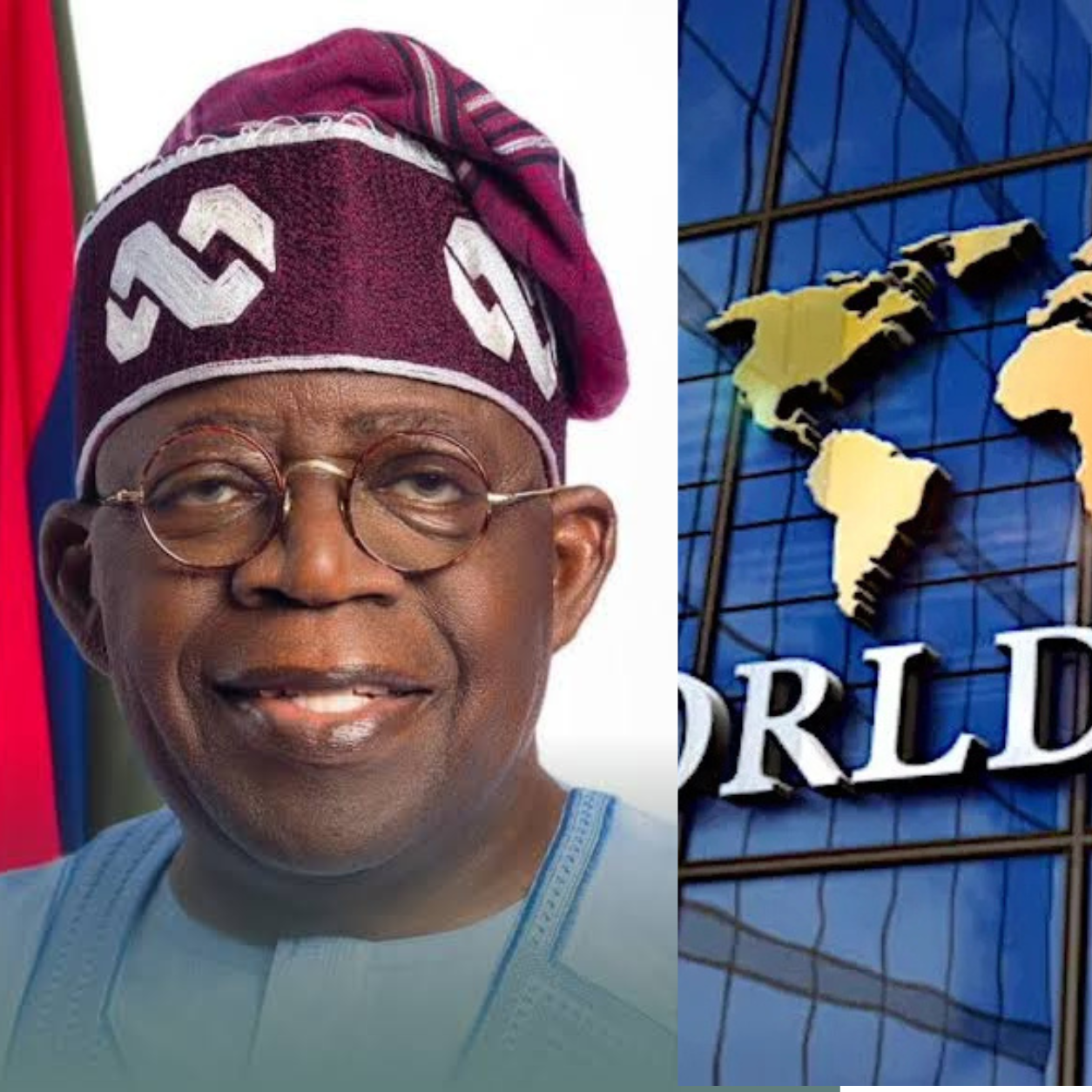
Nigeria’s electricity sector has suffered another major setback after the Federal Government and the World Bank agreed to cancel $717.7 million in undisbursed funding meant for power sector reforms. The development has sparked widespread reactions across the country, especially as millions of Nigerians continue to struggle with unstable electricity supply, rising tariffs, and increasing energy costs.
The cancelled funding was part of the Power Sector Recovery Performance-Based Operation (PSRO) — a broader $1.52 billion programme created to improve electricity supply, strengthen the financial health of the power sector, and reduce the burden on public finances.
Why the Funding Was Cancelled
According to reports from restructuring documents linked to the World Bank, the cancellation happened after the Federal Government formally requested a halt to the remaining funds. Both parties reportedly agreed to discontinue the financing arrangement because several reform targets were not achieved.
The power sector has continued to battle serious problems, including:
- Poor revenue collection
- Massive operational losses
- Inconsistent electricity tariffs
- Foreign exchange instability
- Weak infrastructure
- Rising debt across electricity distribution companies
The World Bank noted that while some progress was recorded during the early phase of the programme, newer economic realities made it difficult to continue under the original terms.
The Bigger Problem in Nigeria’s Electricity Sector
Nigeria generates enough electricity capacity on paper, but transmission bottlenecks, poor distribution systems, and inadequate investment continue to limit actual power delivery to homes and businesses.
Experts have repeatedly warned that the sector cannot survive sustainably if electricity pricing remains politically sensitive while operational costs continue to rise.
One major issue highlighted in recent reports is the sharp increase in tariff shortfalls. The depreciation of the naira after the foreign exchange reforms of 2023 reportedly increased the cost of gas used for power generation, since gas payments are largely dollar-denominated.
This created additional financial pressure on power generation and distribution companies already struggling with debt and low consumer payment rates.
What This Means for Nigerians
For everyday Nigerians, the cancellation raises concerns about whether electricity improvements will slow down even further.
Possible effects include:
1. Slower Infrastructure Upgrades
Projects designed to improve transmission and distribution may face delays without international funding support.
2. Continued Poor Electricity Supply
Many communities may continue experiencing blackouts, low voltage, and unstable power supply.
3. Higher Cost of Alternative Energy
As grid electricity remains unreliable, more Nigerians are turning to solar systems, inverters, and generators — increasing household energy expenses.
4. Increased Pressure on Government
The Federal Government may now need to find alternative funding sources or create new reforms to stabilize the sector.
Was the Cancellation Entirely Negative?
Some analysts believe the cancellation could also signal a shift in strategy rather than a total collapse of reform efforts.
Reports suggest that the government and the World Bank may focus on other intervention models instead of continuing the current structure.
Others argue that cancelling unused loans may help Nigeria avoid accumulating additional debt if the programme was no longer meeting its intended goals.
However, critics say the decision exposes deeper governance and implementation challenges within the power sector.
The Need for Long-Term Solutions
Nigeria’s electricity challenges cannot be solved by loans alone. Industry experts continue to emphasize the importance of:
- Transparent regulation
- Stronger accountability
- Private sector investment
- Improved metering systems
- Reduced energy theft
- Infrastructure modernization
- Stable economic policies
Without structural reforms, financial interventions may continue producing limited long-term results.
Final Thoughts
The cancellation of the $717.7 million World Bank power sector funding highlights the ongoing struggles within Nigeria’s electricity industry. While the government and the World Bank may pursue alternative approaches, the reality remains that millions of Nigerians still need reliable and affordable electricity to support businesses, education, healthcare, and economic growth.
As conversations continue around power sector reforms, many Nigerians will be watching closely to see whether future policies deliver real improvements or become another missed opportunity.