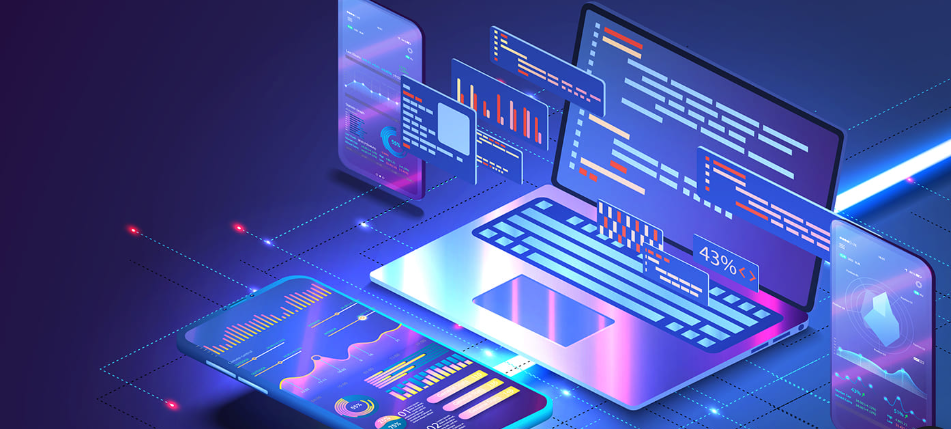
For years, technology has evolved through predictable waves, from personal computers to smartphones, cloud computing, and social media. Each wave introduced new opportunities and reshaped entire industries. However, the biggest technological shift happening today is different from anything that came before because it is not centered around a single device or platform. Instead, it revolves around artificial intelligence becoming deeply integrated into software, business operations, and everyday life. This transformation is happening at a speed rarely seen in technological history, creating opportunities and challenges that are already beginning to reshape the global economy.
The Rise of AI-Native Software
One of the clearest signs of this shift is the emergence of AI-native software, products designed with artificial intelligence at their core rather than treating it as an additional feature. Unlike traditional software that simply follows predefined instructions, AI-powered applications can learn, adapt, generate content, analyze information, and assist users in real time. This capability is changing expectations across industries, forcing companies to rethink how software is built and how users interact with technology.
Productivity Is Being Redefined
Artificial intelligence is dramatically increasing productivity by automating tasks that once required significant human effort. Writing, coding, research, customer support, marketing, and data analysis can now be accelerated through AI tools. As these technologies become more advanced, businesses are finding ways to operate more efficiently while individuals are gaining access to capabilities that were previously available only to large organizations with significant resources.
The New Competitive Advantage
In the past, companies gained advantages through scale, capital, or distribution. Today, the ability to adopt and leverage AI effectively is becoming one of the most important competitive advantages available. Organizations that integrate AI into their workflows can often move faster, reduce costs, and deliver better experiences than competitors who fail to adapt. This shift is creating pressure across industries as businesses race to remain relevant in a rapidly changing environment.
A Transformation Still in Its Early Stages
Although AI has already generated enormous attention, many experts believe the technology is still in its early stages. New models, tools, and applications are being released at a pace that makes long-term predictions difficult. What is clear, however, is that artificial intelligence is becoming a foundational layer of the modern economy, much like the internet did decades ago. The companies and individuals who understand this shift early may be among its greatest beneficiaries.






me 2 hrs ago
wwwww
IFEANYI CHIZARAM SUCCESS 1 hrs ago
is it acceptable?