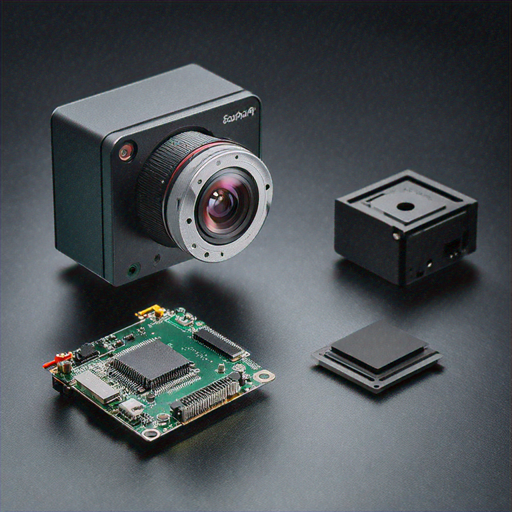
As African nations increasingly embrace technological innovation, Kenya stands at the forefront of developing comprehensive drone operation frameworks that balance technological potential with regulatory oversight.
The Shifting Terrain of Aerial Technology
In the heart of Nairobi's bustling Westlands district, a young engineer named Samuel Mutua adjusts his compact drone, carefully mapping a construction site with precision that would have been unimaginable just half a decade ago. His daily documentation represents more than just technological convenience—it embodies Kenya's complex dance with aerial innovation.
 Technology meets regulation: A Kenyan drone operator navigating urban airspace
Licensing Complexity Unveiled
The Civil Aviation Authority (CAA) has introduced a nuanced licensing framework that reflects the multifaceted nature of drone operations. These new parameters aren't merely bureaucratic hurdles but strategic mechanisms designed to professionalize and standardize drone usage across various sectors.
"Regulation isn't about restriction—it's about creating a sustainable ecosystem where technology can flourish responsibly," notes Dr. Elizabeth Wangeci, Director of Technology Policy at the Kenya Innovation Authority.Decoding the New Regulatory Landscape
Licence Category Operational Scope Estimated Cost (KES) Recreational Personal/Hobby Use 5,000 Commercial (Small) Limited Professional Applications 15,000 Commercial (Advanced) Extensive Professional Use 35,000Registration Requirements
Every drone operator must now register on the CAA platform, a move designed to create transparency and accountability. This digital registration process serves multiple purposes: tracking operational metrics, ensuring safety standards, and building a comprehensive national drone ecosystem.
Navigating Definitional Ambiguities
Despite the progressive framework, certain definitional challenges persist. The regulatory language around device classifications remains somewhat nebulous, particularly concerning micro-drones and specialized research equipment.
- Devices under 250 grams face minimal restrictions
- Research and academic drones require specialized clearance
- Commercial survey drones need comprehensive documentation
Technological Implications
These regulations aren't merely administrative—they represent Kenya's strategic approach to technological integration. By creating clear, adaptable frameworks, the nation positions itself as an African leader in drone technology governance.
Interested readers can explore more about drone regulations through the Civil Aviation Authority.
Looking Forward
As drone technology continues evolving, Kenya's regulatory approach offers a compelling model of proactive technological management. The balance between innovation and oversight will be crucial in determining the nation's technological trajectory.
Further Insights
- TechCabal: African Drone Policy Trends
- Techpoint Africa: Technological Frontiers