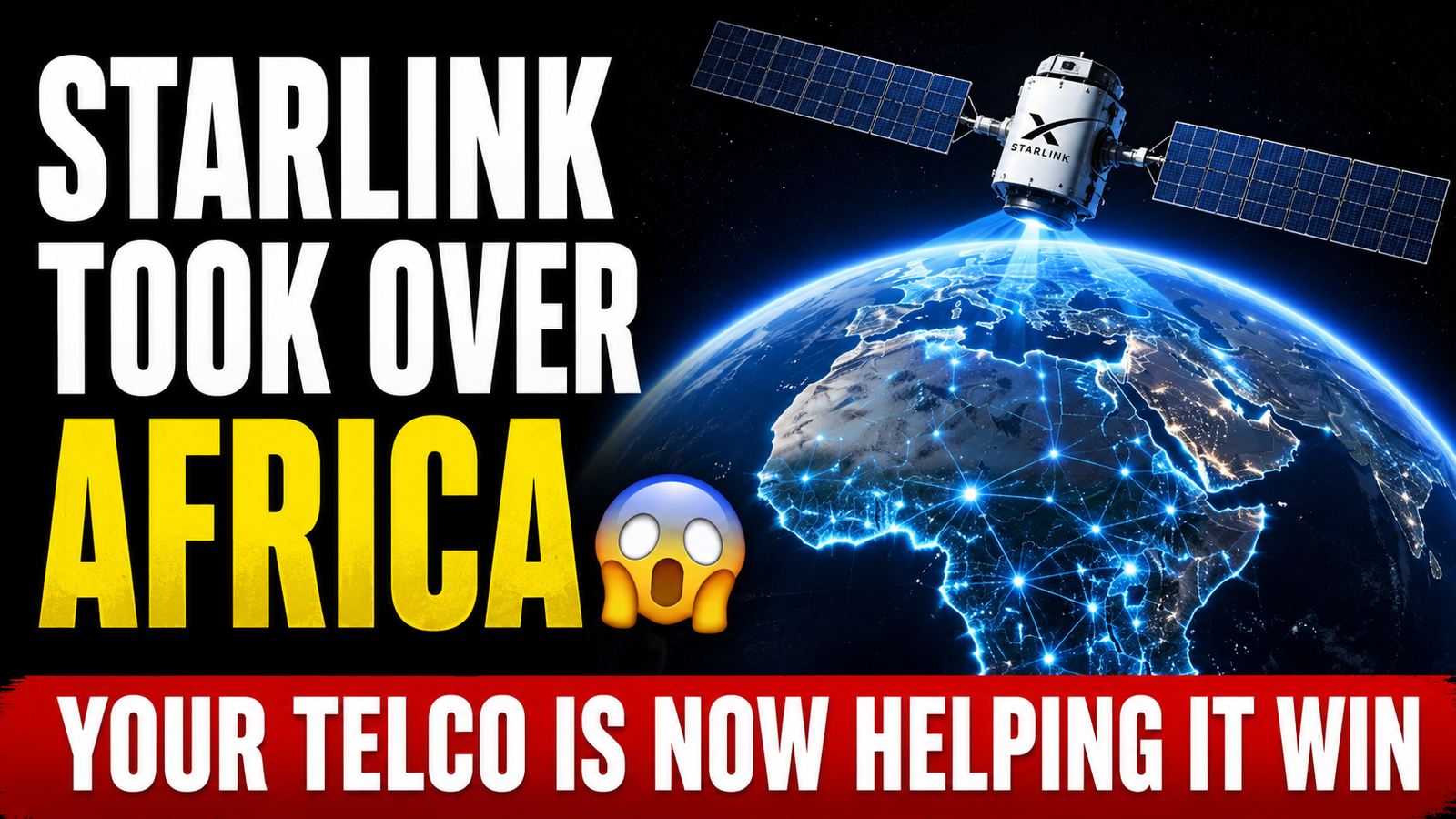
Every month, millions of Africans pay for internet access. Mobile data bundles. Home fibre. And increasingly Starlink satellite subscriptions.
Internet access is growing fast across Africa. And that is genuinely good news for education, commerce, healthcare, and economic opportunity.
But here is the question that a growing number of economists, regulators, and tech analysts are now asking out loud: where does that money actually go?
Because the answer particularly when it comes to satellite internet is increasingly: out of Africa.
A significant and growing portion of Africa's digital spending is flowing to offshore technology companies, with limited local tax contribution, limited local employment creation, and limited reinvestment back into African economies.
Researchers and policy analysts are now calling this phenomenon revenue leakage. And a new report published this week is warning that if African governments do not act quickly, the continent risks building a connected but economically dependent digital future.
Understanding the Scale of the Problem
To appreciate why this matters, consider the difference between how local and foreign internet providers contribute to African economies.
When you pay MTN, Airtel, or Glo in Nigeria, that money circulates locally in multiple ways. These companies pay spectrum licence fees to the Nigerian government. MTN alone paid $273.6 million for its 5G spectrum licence in Nigeria. They employ thousands of Nigerian engineers, customer service staff, and business professionals. They pay corporate taxes. They invest in local infrastructure. Their supply chains involve Nigerian vendors and contractors.
When you pay Starlink, the economics are fundamentally different. SpaceX is an American company headquartered in Texas. Your subscription payment is processed internationally. In many African countries, satellite operators pay significantly lower regulatory fees than their ground-based counterparts. The engineering talent is largely offshore. The profits go to American shareholders.
This does not make Starlink illegal or unethical. But it does create a structural imbalance one that grows more significant as Starlink's African subscriber base expands.
Nigeria currently has the highest number of Starlink subscribers on the continent. As Africa's largest satellite internet market, Nigeria is also potentially Africa's largest source of satellite internet revenue leakage.
Why This Is More Than Just a Money Problem
The revenue leakage issue is serious on its own. But the deeper concern is what it signals about Africa's digital economic future.
Africa has experienced this pattern before with oil, with minerals, with agricultural commodities. Foreign companies come in, extract value, and the continent's people see limited long-term benefit from the resources being taken from their own land.
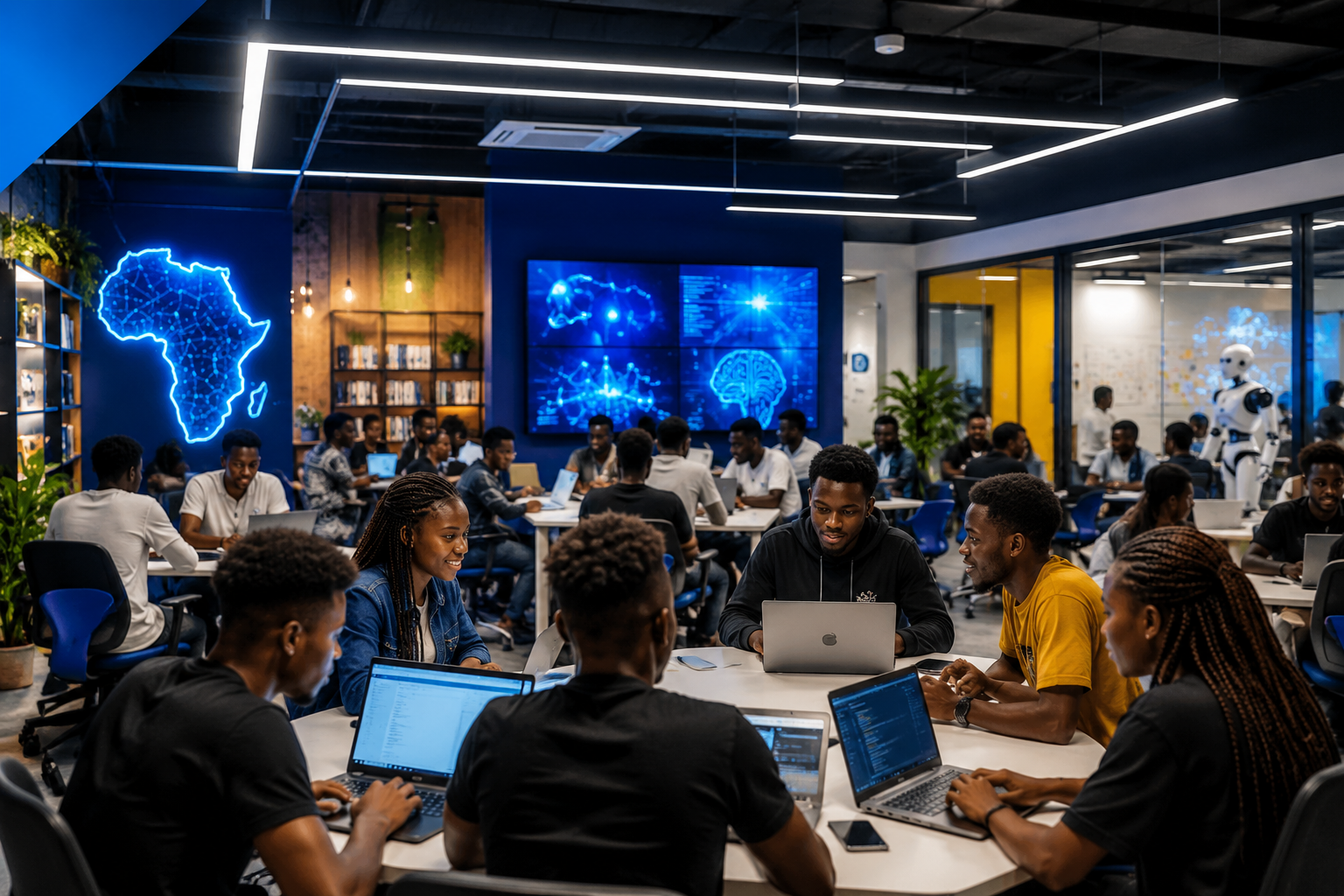
The digital economy was supposed to be different. Unlike oil wells or copper mines, digital infrastructure can be built and owned locally. African entrepreneurs can build world-class apps and platforms. African engineers can run the infrastructure. African governments can design the regulatory environment.
But if the foundational infrastructure of Africa's digital economy the satellites, the platforms, the payment systems is increasingly owned and controlled by foreign companies, then the digital economy risks becoming just another form of extraction.
This is not an anti-technology argument. It is a pro-Africa economic argument. And it is one that Africa's most serious policymakers are beginning to make.
What Different Countries Are Doing About It
The good news is that some African countries are already building smarter frameworks for managing satellite internet operators. Their approaches offer useful lessons.
Senegal took a firm but proportionate approach. Starlink initially entered Senegal and began collecting subscriber payments before receiving proper operating authorisation. Senegal's telecom regulator stepped in and in February 2026, formally recognised Starlink as a licensed internet service provider. This brought Starlink under Senegalese regulatory oversight meaning the company must now meet local operating requirements and pay appropriate fees to operate in the market. The approach did not chase Starlink away. It brought them into the regulatory framework.
South Africa used existing policy tools creatively. The country's Black Economic Empowerment legislation requires a minimum of 30 percent local ownership for companies operating in South Africa. Starlink, as a fully foreign-owned company, cannot hold a direct operating licence under these rules. The solution? A partnership with Vodacom, which already meets local ownership requirements and holds the necessary licences. Vodacom resells Starlink equipment and services and shares the revenue with SpaceX. South Africa captures a meaningful portion of the economic value while still giving its citizens access to satellite internet.
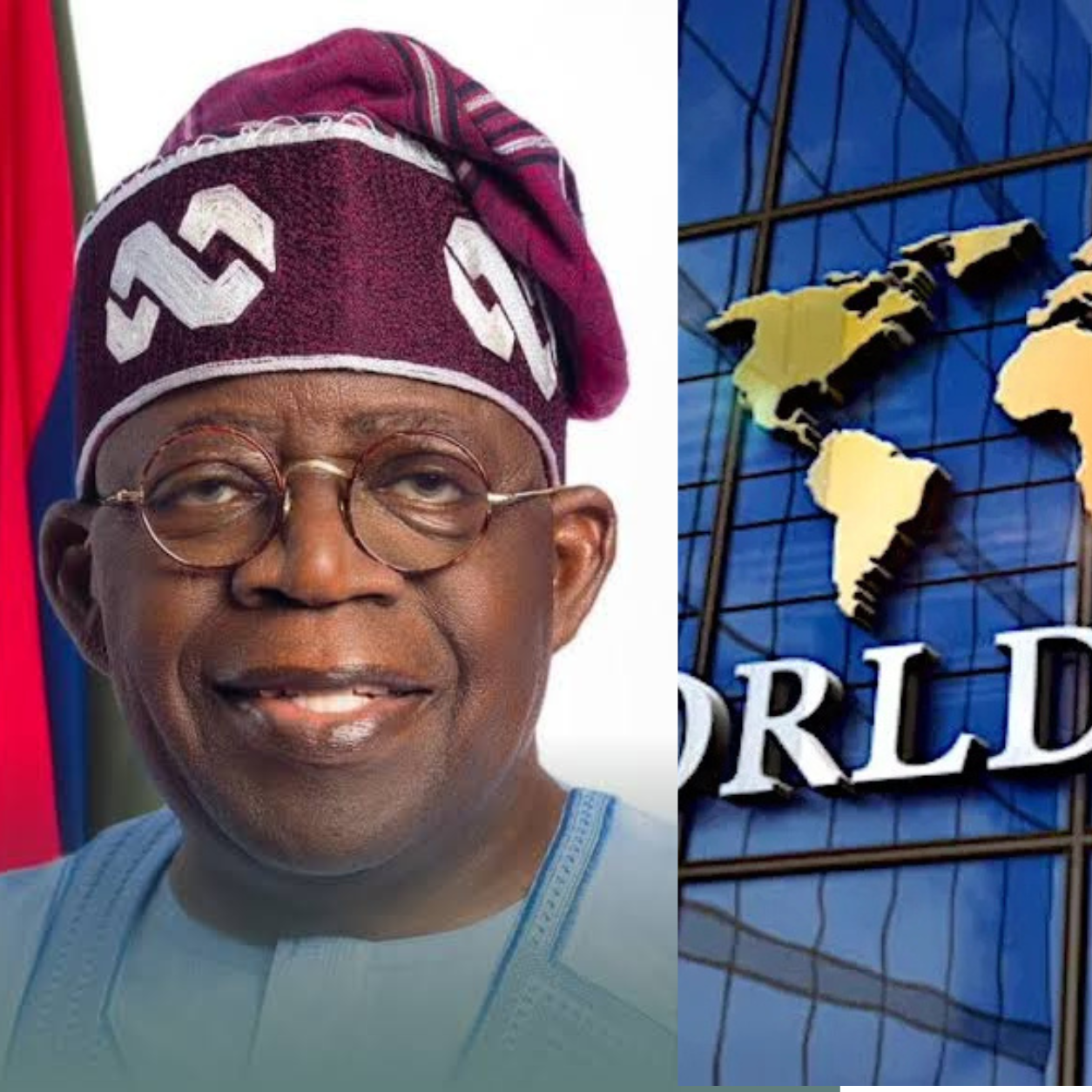
Nigeria has the most to gain and currently the most ground to cover. As Africa's largest Starlink market, Nigeria has genuine leverage in how it structures its relationship with satellite internet operators. But that leverage only counts if Nigerian regulators use it before the market becomes so established that changing the rules becomes politically difficult.
What Nigeria Needs to Do Right Now
Nigeria's position as Africa's top Starlink market is not a weakness. It is bargaining power. But bargaining power only works if you use it.
The Nigerian Communications Commission and relevant government ministries need to urgently establish a comprehensive satellite internet regulatory framework. This framework should address several key areas.
Proportional licensing fees are the starting point. Satellite operators collecting significant revenue from Nigerian subscribers should pay fees that are proportional though not necessarily identical to what terrestrial operators pay. The current disparity creates an uneven playing field and reduces government revenue.
Local investment requirements would ensure that a portion of revenue collected from Nigerian users is reinvested in Nigerian digital infrastructure, skills development, or community connectivity projects. This is not punitive it is standard practice in well-regulated markets globally.
Data sovereignty protections matter because every Nigerian Starlink user is generating data. That data should be subject to Nigeria's Data Protection Act and processed in ways that give Nigerian authorities appropriate oversight.
Consumer protection mechanisms are basic requirements. Nigerian subscribers should have accessible, local channels for complaints, refunds, and service disputes not just international support portals.
None of these requirements are radical. They are the normal expectations that apply to any significant operator in a well-regulated market. Nigeria simply needs to apply them consistently to satellite operators the way it applies them to ground-based ones.
The Bigger Picture
Zoom out and this story is about Africa's agency in its own digital future.
The continent is experiencing genuine, significant growth in internet connectivity. More Africans are online than ever before. Digital commerce, digital finance, digital education, and digital healthcare are all expanding rapidly.
But connectivity alone does not create wealth. Economic sovereignty creates wealth. And economic sovereignty in the digital age requires that Africans own, control, and benefit from the infrastructure that powers their digital lives.
Satellite internet is one piece of that infrastructure. And right now, the ownership, control, and profits from that piece largely sit outside Africa.
Changing that does not require blocking foreign companies or rejecting global technology. It requires confident, informed, strategic regulation the kind that says to global operators: you are welcome in Africa, your technology is welcome in Africa, but you will operate here on terms that benefit Africa.
Conclusion
Africa is getting connected. That is real progress and it deserves genuine celebration.
But getting connected and getting wealthy from connectivity are two different things. Africa has the opportunity right now before satellite internet becomes fully entrenched to build a regulatory framework that ensures both.
Senegal is doing it. South Africa is doing it. Nigeria, as the continent's largest satellite internet market, has both the responsibility and the leverage to lead.
The decisions made in the next 12 to 24 months will determine whether Africa's digital revolution benefits African people or whether it becomes the newest chapter in a very old story of value leaving this continent without giving enough back.
Stay informed. Follow Overite for weekly coverage of African tech, business, and policy stories that matter.