In a move that marks the end of an era in the technology industry, Apple has announced a major leadership transition.
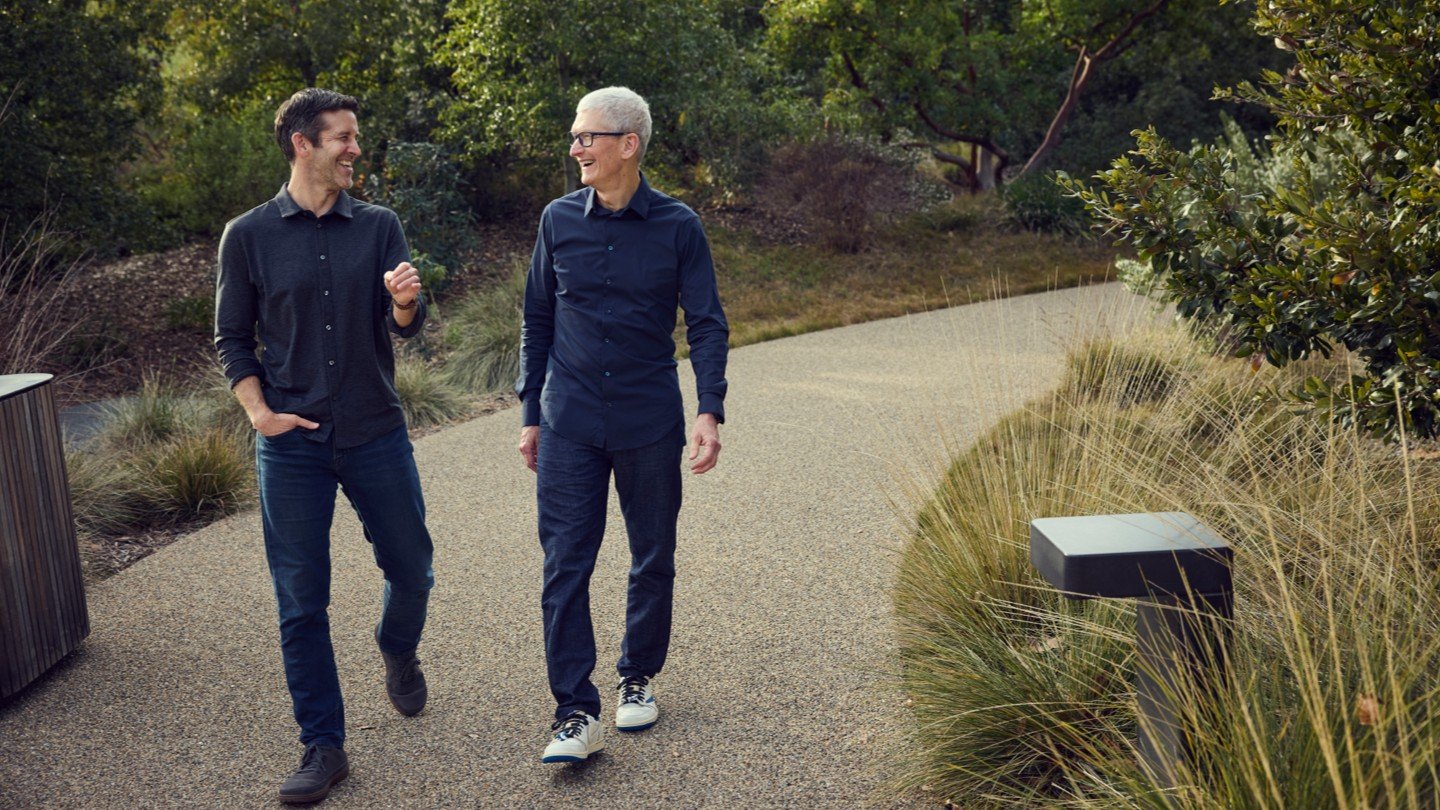
After more than a decade as CEO, Tim Cook will step down from his role and become Executive Chairman of Apple’s board. Taking his place is longtime Apple executive John Ternus, who will officially become CEO on September 1, 2026.
This transition is not sudden. It is the result of a long-term succession plan designed to ensure continuity at one of the world’s most valuable companies.
The End of Tim Cook’s Era as CEO
Tim Cook has led Apple since 2011, following the resignation of Steve Jobs.
During his tenure, Apple experienced extraordinary growth:
- Expanded from a hardware-focused company into a global ecosystem
- Built a massive services business including iCloud, Apple Music, and the App Store
- Increased revenue and market value significantly
- Strengthened global supply chains and operational efficiency
Under Cook’s leadership, Apple became one of the most valuable companies in the world, reaching multi-trillion-dollar valuations.
Despite stepping down as CEO, Cook is not leaving the company.
As Executive Chairman, he will continue to play a key role in guiding Apple’s long-term strategy and supporting leadership decisions.
Who Is John Ternus?
John Ternus is not an outsider.
He has been part of Apple for over two decades.
- Joined Apple in 2001
- Currently Senior Vice President of Hardware Engineering
- Played a major role in developing key Apple products
- Led hardware innovations across iPhone, iPad, and Mac
Ternus is widely seen as a “product-focused” leader, with deep technical expertise and strong internal credibility.
His appointment signals continuity rather than disruption.
Apple is choosing someone who understands its culture, products, and long-term vision.
Why This Leadership Change Matters
This transition comes at a critical time for Apple.
The technology landscape is changing rapidly, especially with the rise of:
- Artificial intelligence
- Advanced computing systems
- New hardware-software integrations
While Apple has remained dominant, it faces increasing competition in AI from companies like Google and Microsoft.
Ternus will be stepping into a role that requires not just maintaining Apple’s success, but redefining its position in the next phase of technology.
Analysts suggest that Apple’s future growth will depend on how well it integrates AI into its ecosystem.
A Smooth and Strategic Transition
Unlike many leadership changes in major companies, Apple’s transition appears carefully planned.
- Approved unanimously by the board
- Structured as part of a long-term succession strategy
- Allows overlap between Cook and Ternus for continuity
Cook and Ternus are expected to work closely during the transition period to ensure stability across the company.
This reduces uncertainty for investors, employees, and partners.
What This Means for Apple’s Future
With John Ternus stepping in as CEO, Apple may enter a new phase focused more heavily on:
- Product innovation
- Hardware advancement
- Integration of AI into existing ecosystems
At the same time, Tim Cook’s continued involvement as Executive Chairman ensures that Apple retains its operational discipline and strategic direction.
This combination of continuity and evolution could define Apple’s next decade.
The Bigger Picture
Leadership transitions at companies like Apple are more than internal changes.
They signal shifts in:
- Strategy
- Innovation priorities
- Market positioning
Tim Cook’s era was defined by scale, efficiency, and ecosystem expansion.
John Ternus’s era may be defined by:
- Product reinvention
- Deeper technological integration
- Competing in the AI-driven future
For over a decade, Tim Cook helped transform Apple into one of the most powerful companies in the world.
Now, the responsibility shifts to John Ternus.
The question is no longer about maintaining Apple’s success.
It is about what comes next.
As the company enters a new chapter, the focus will be clear:
Can Apple redefine innovation once again in a rapidly evolving tech landscape?